Agricultural drones make first flights in Estonia as rules start to ease
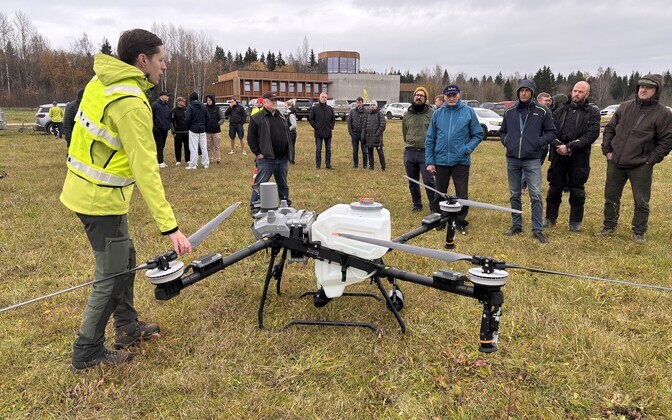


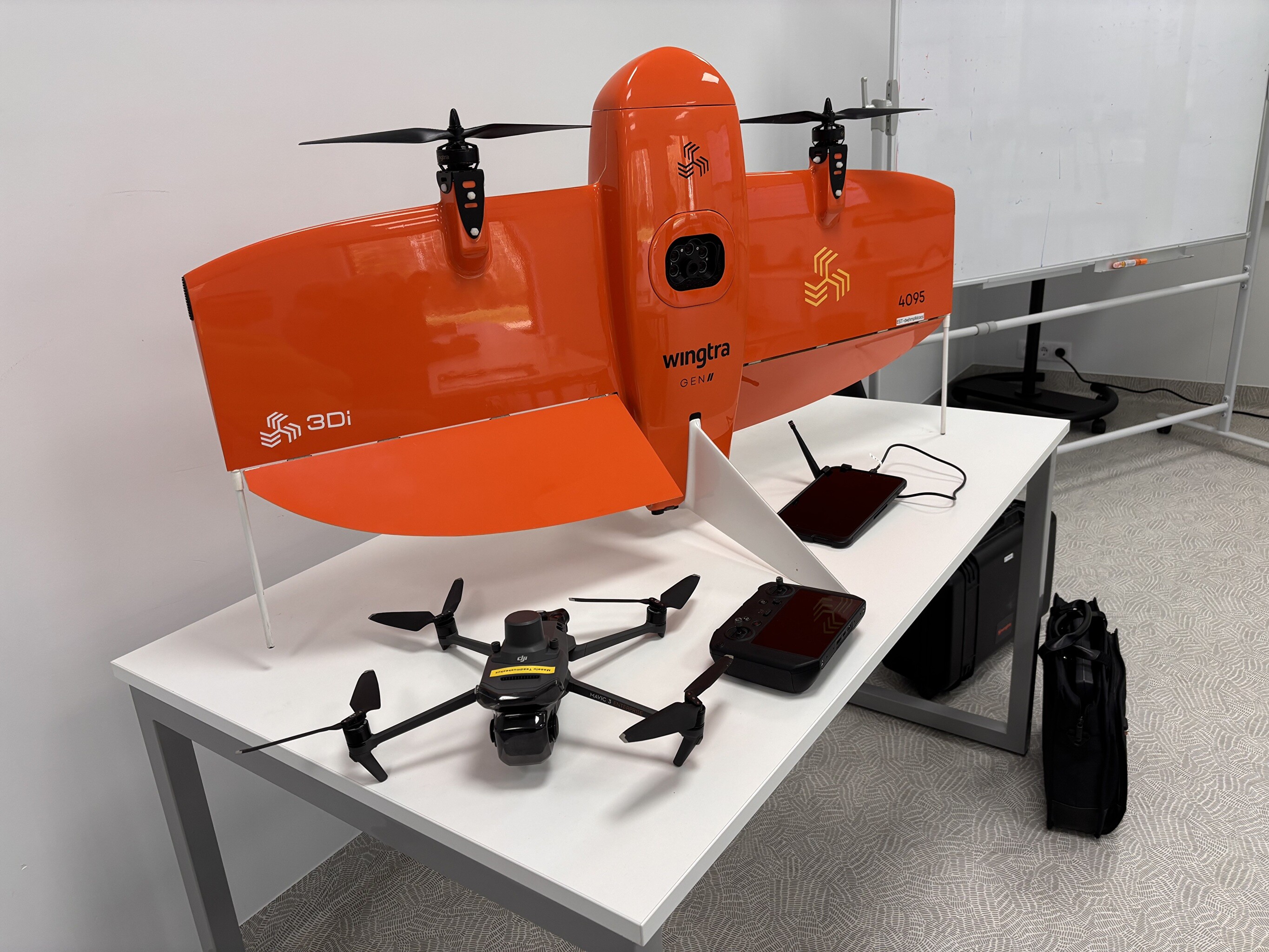
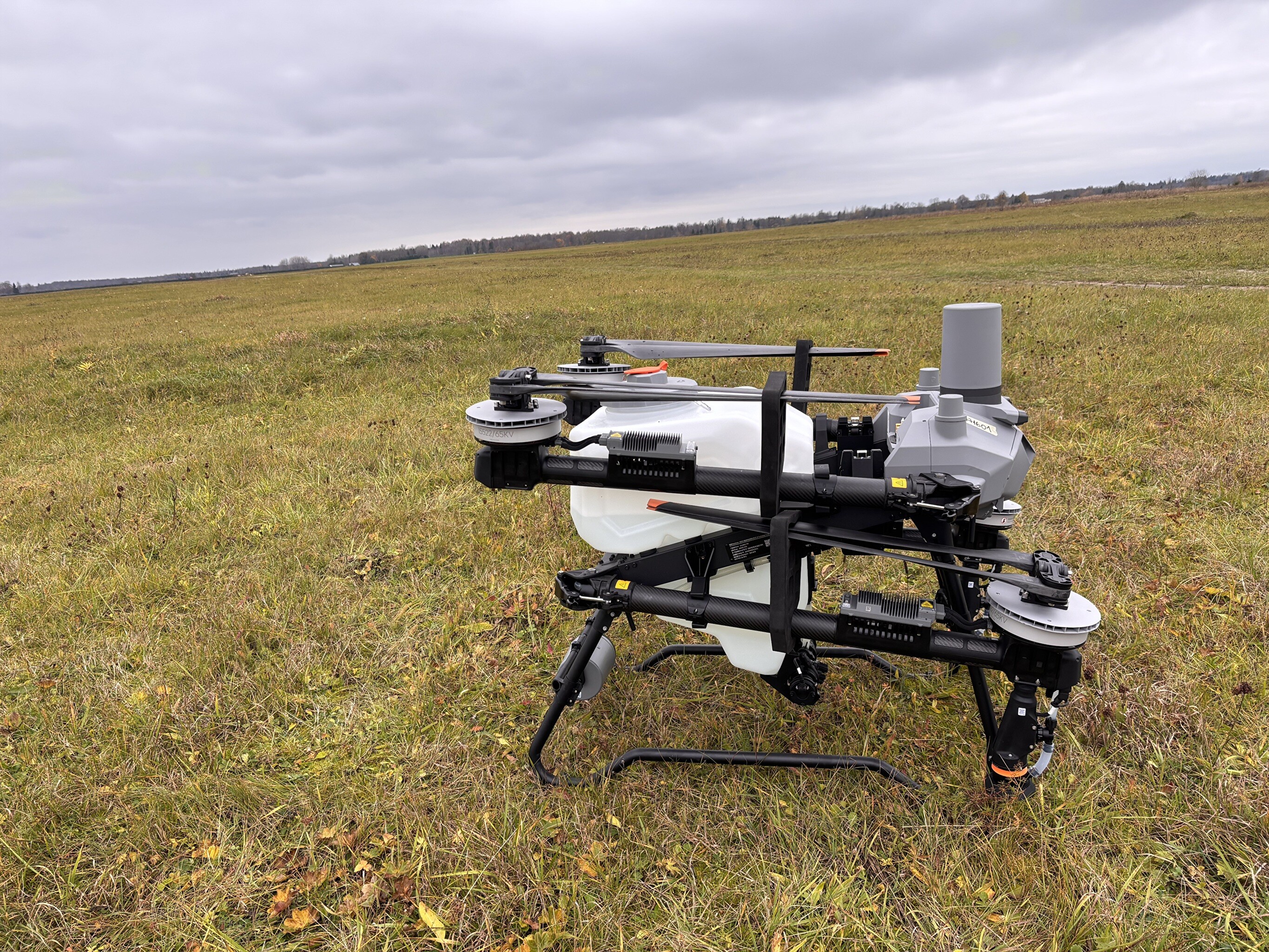
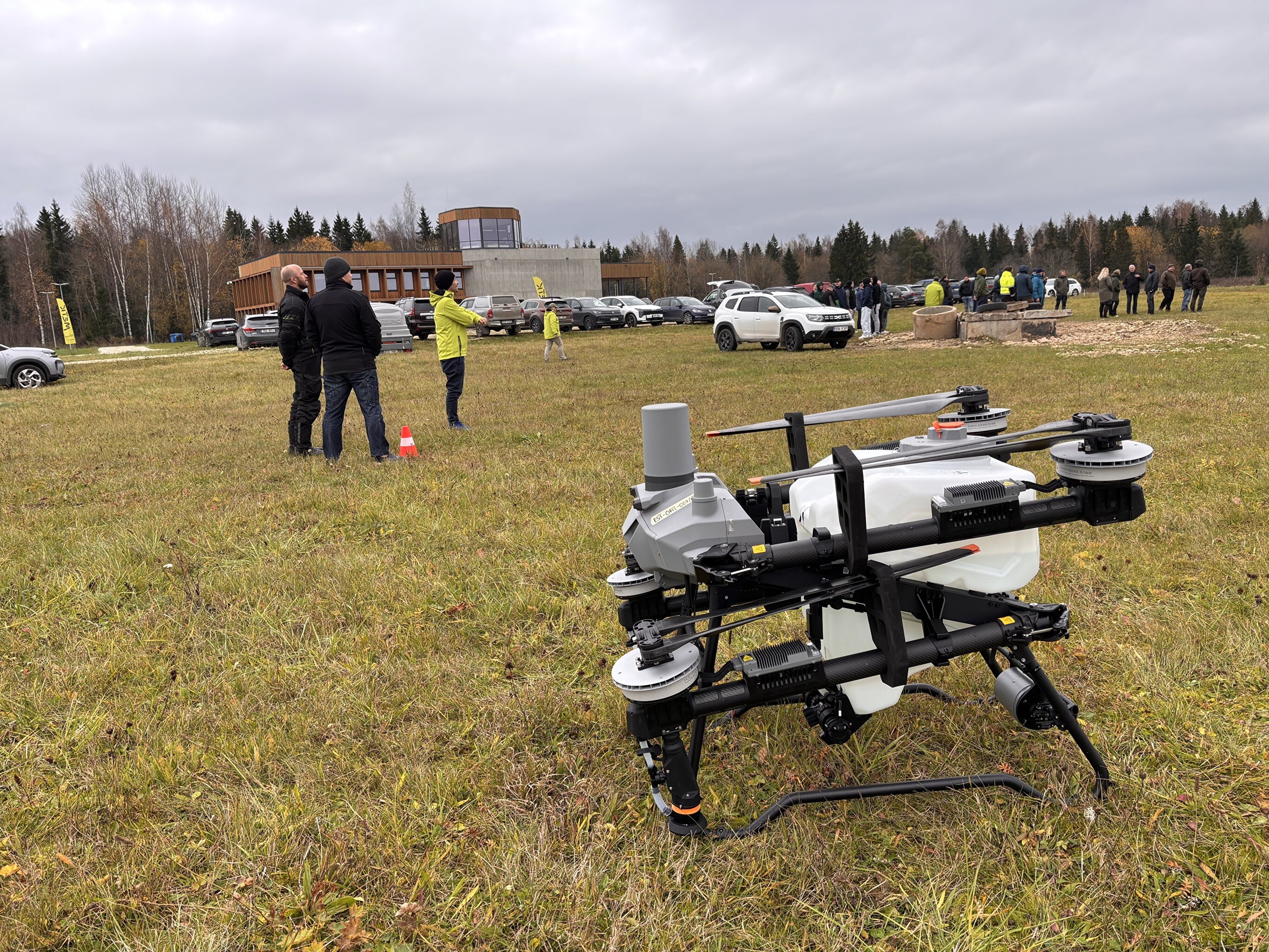
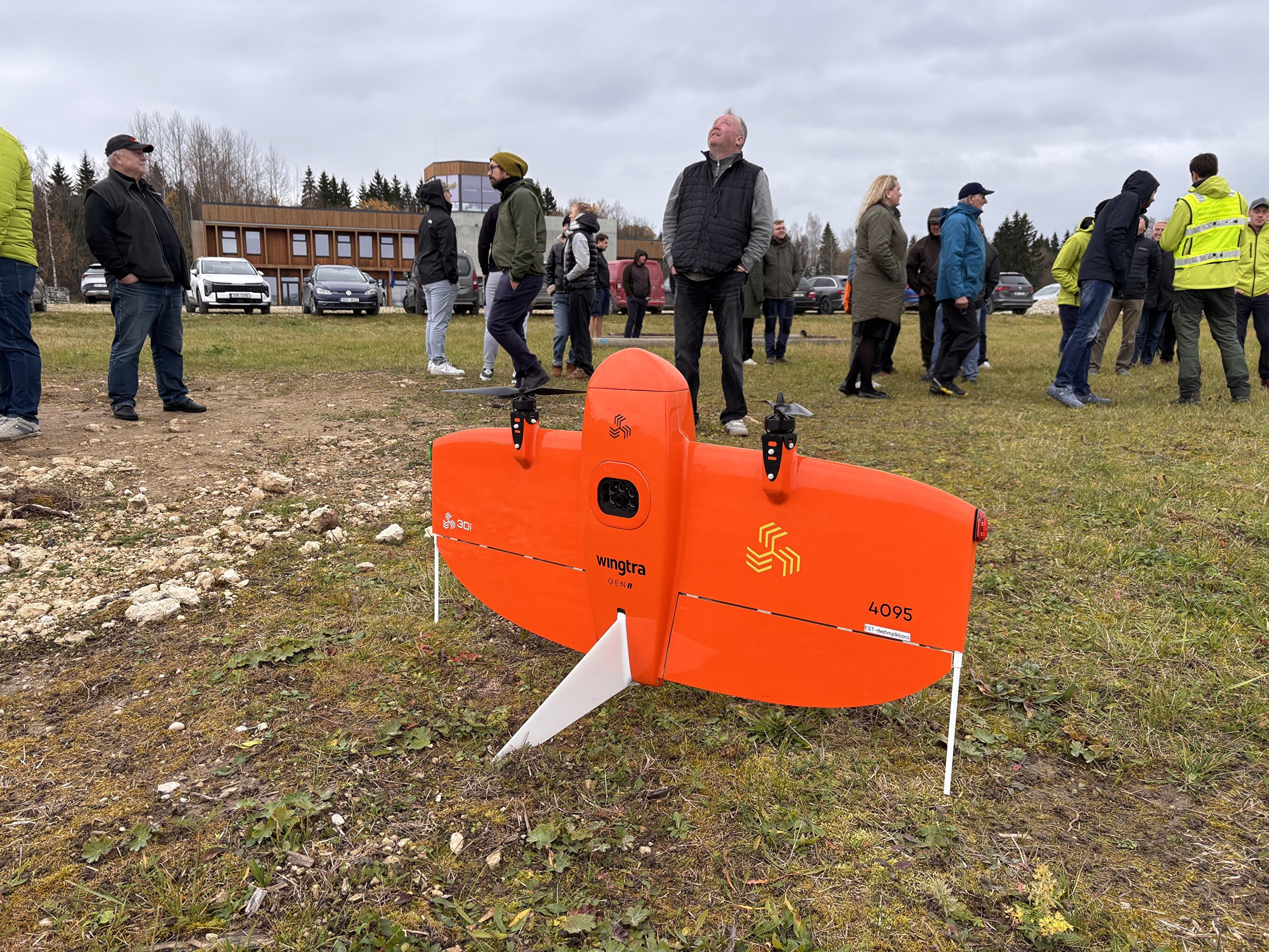
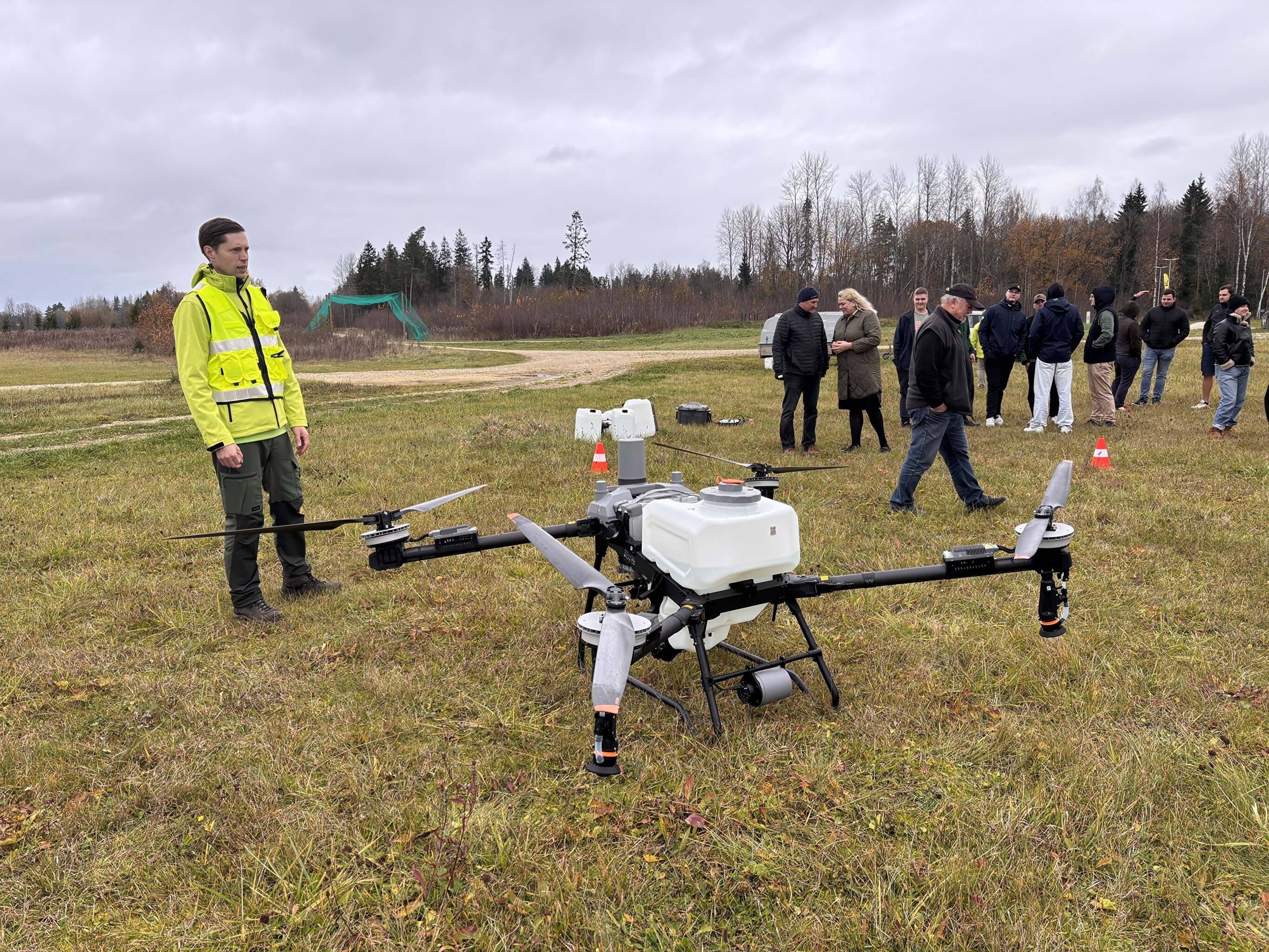
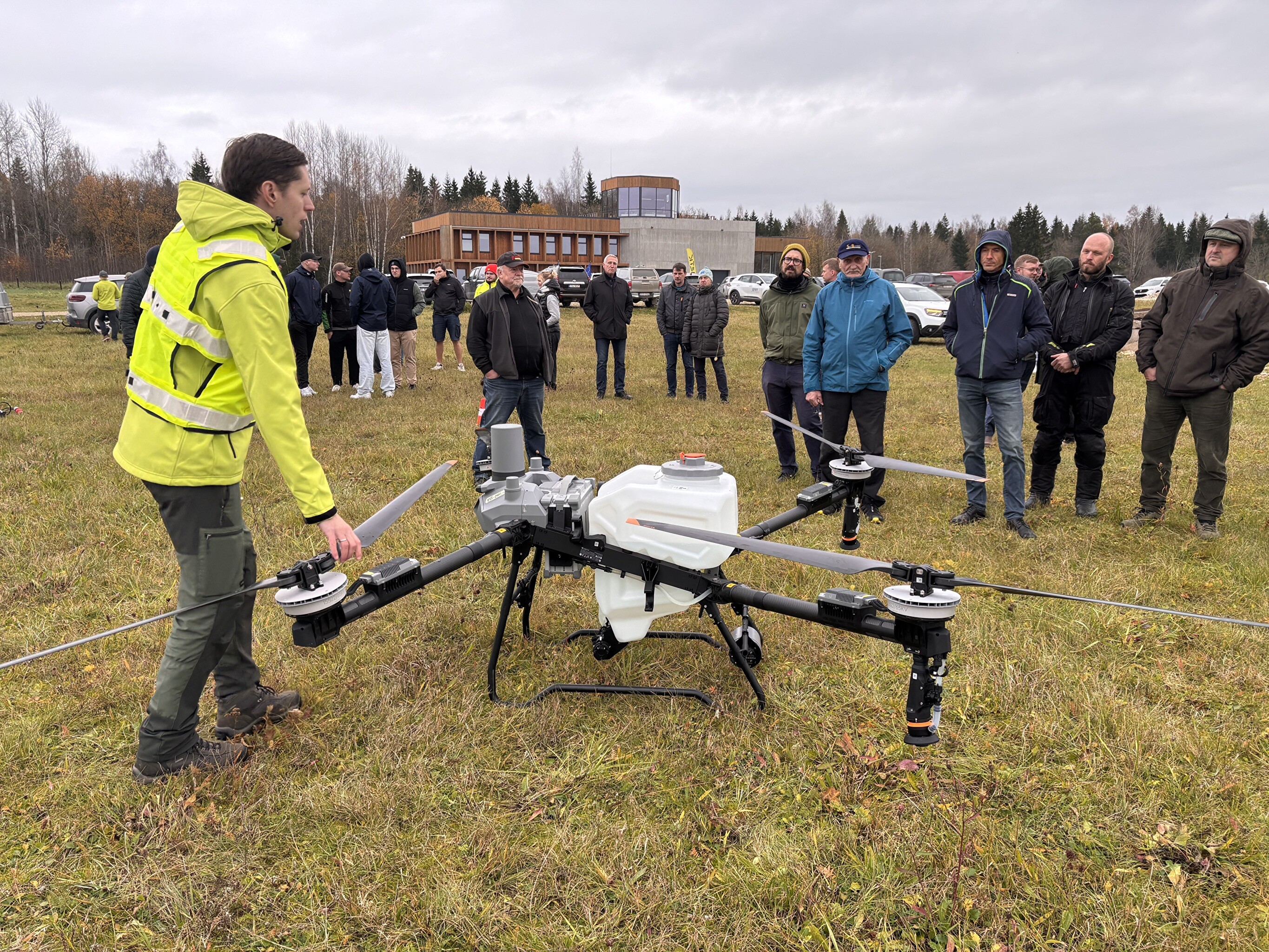
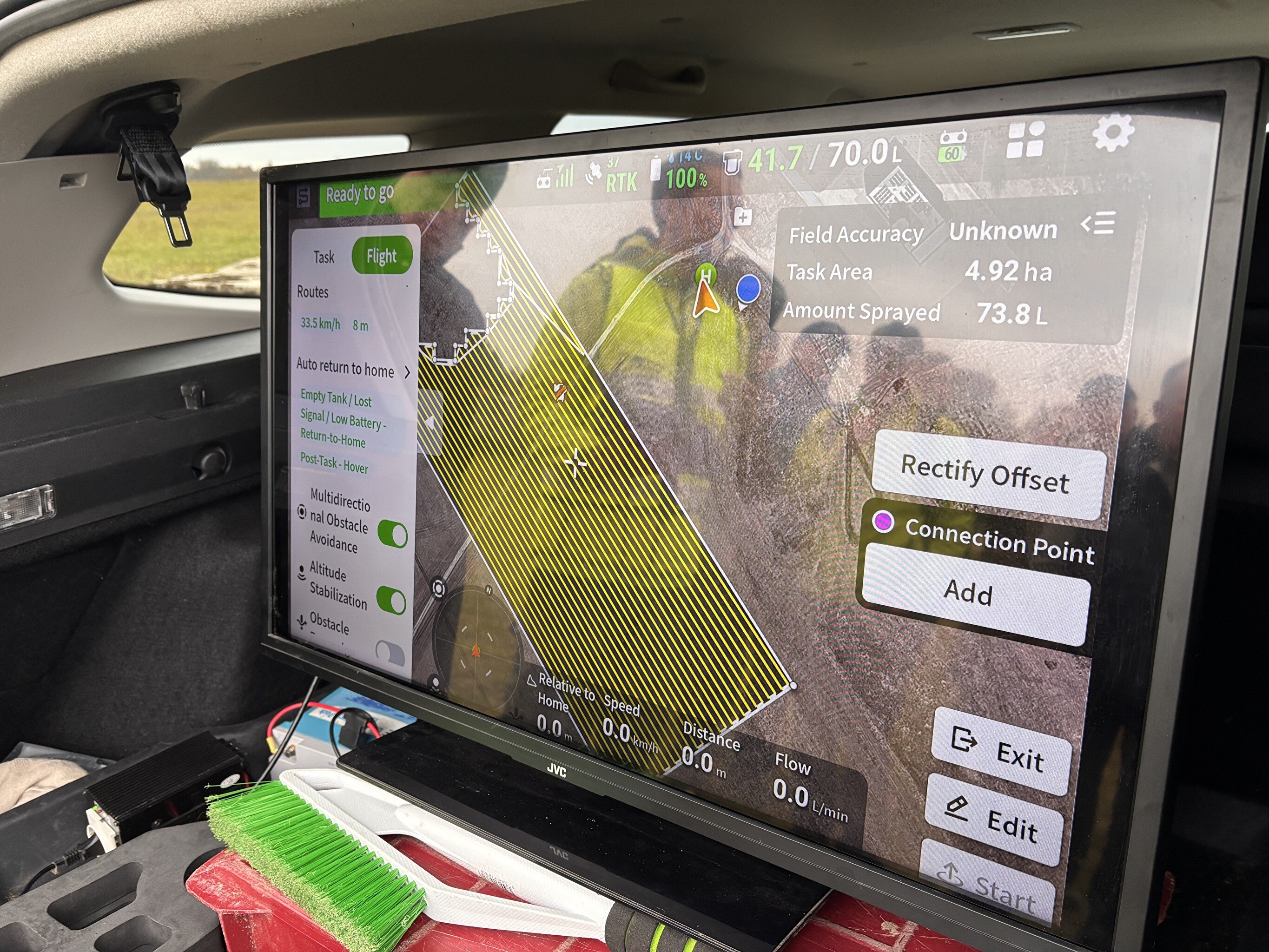
Agricultural drones capable of crop-spraying and seeding are making their first flights in Estonia, though strict safety rules still limit wider use.
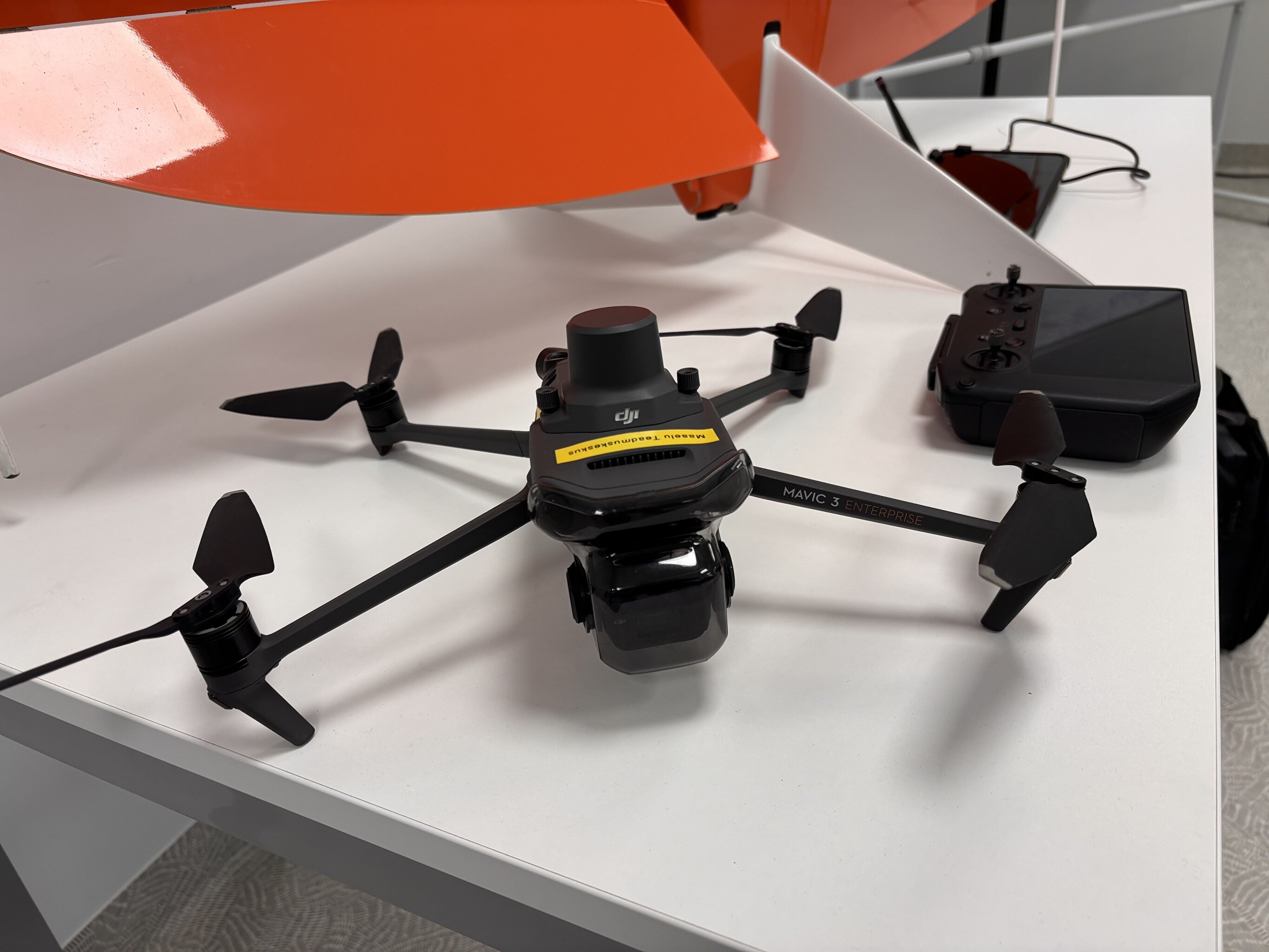
Simpler survey drones have been in use by Estonian farmers for several years already, to gather field data. From this week, the law permits the aerial spraying of plant protection products, though under strict conditions.
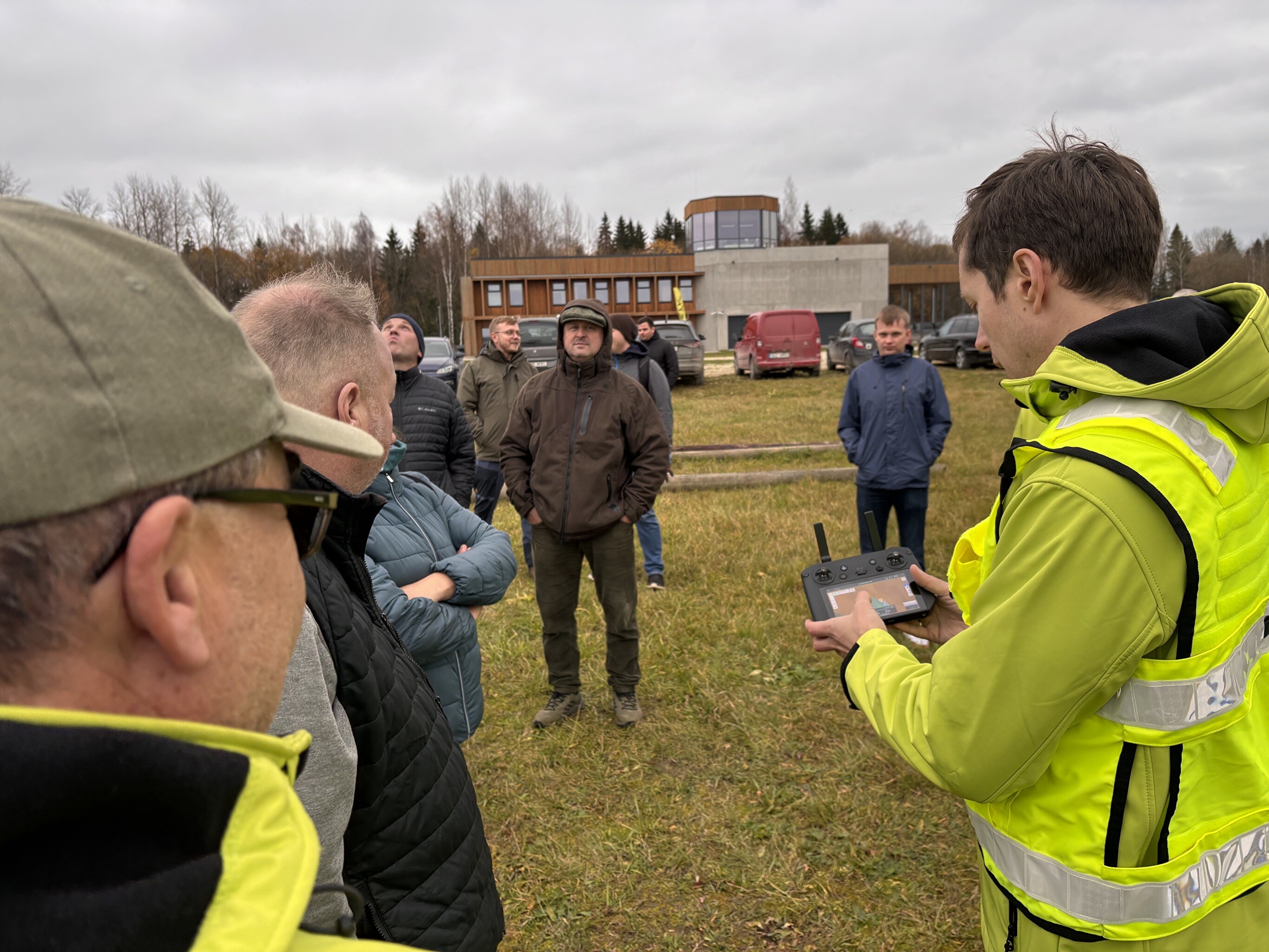
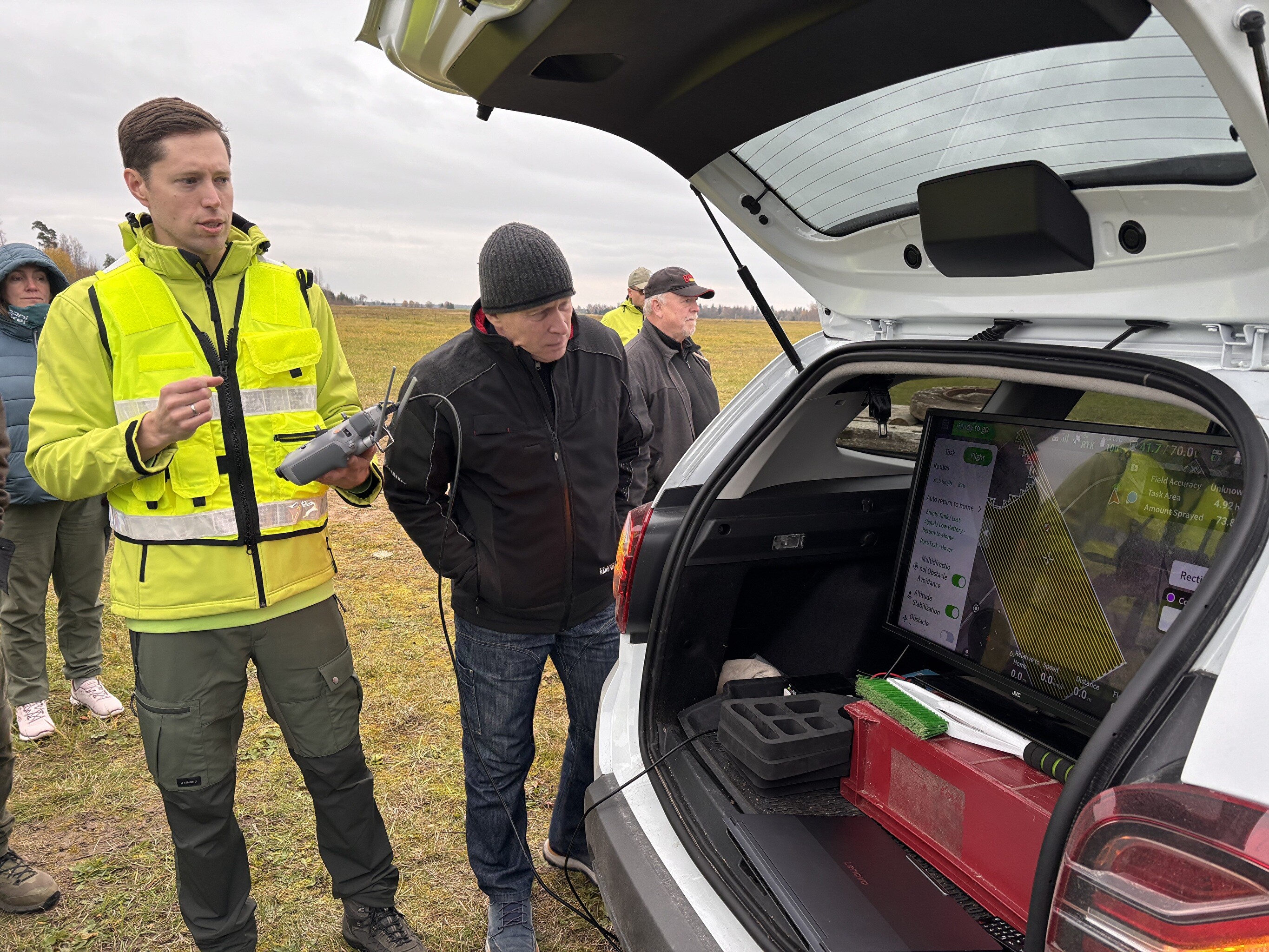
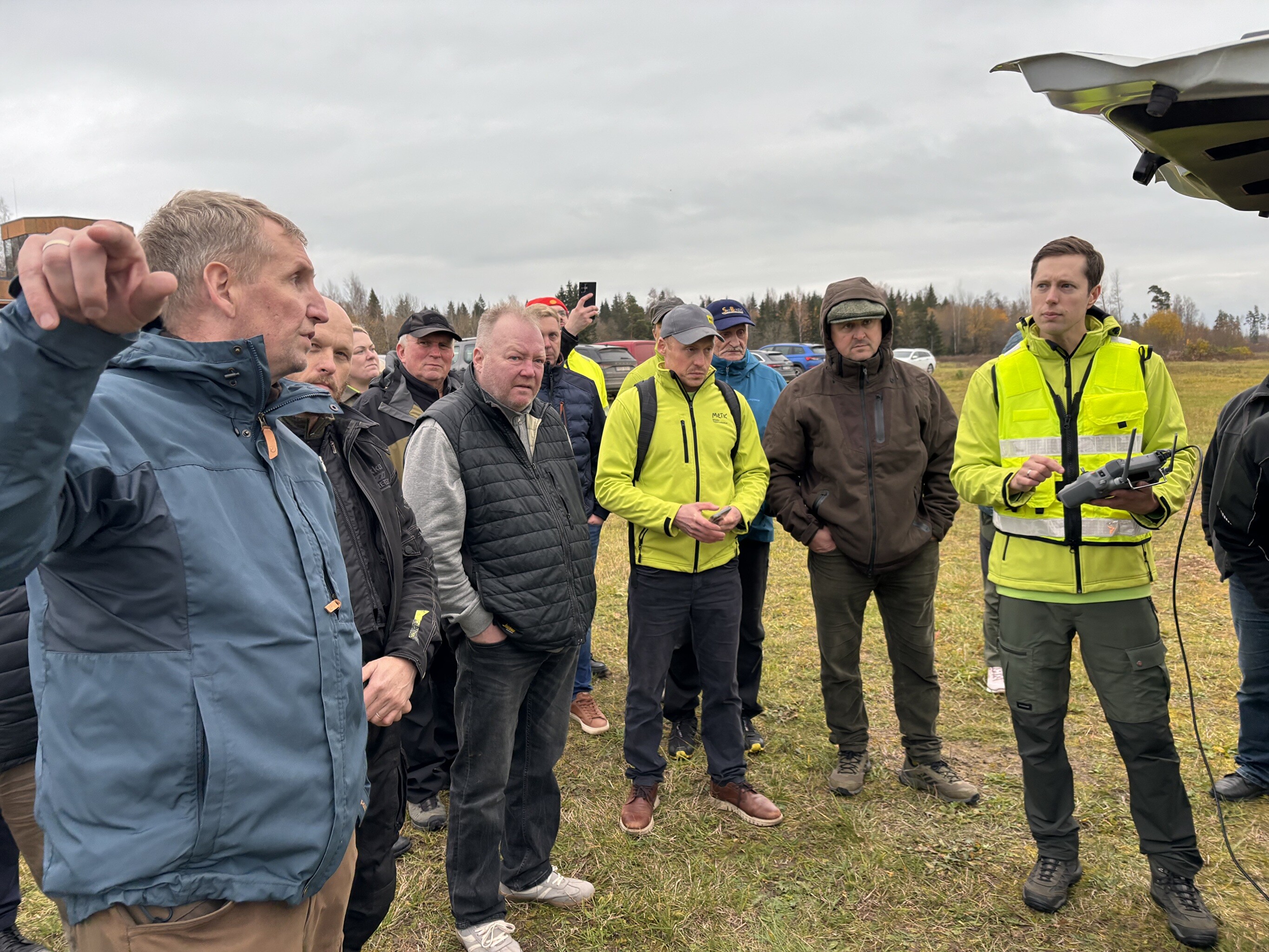
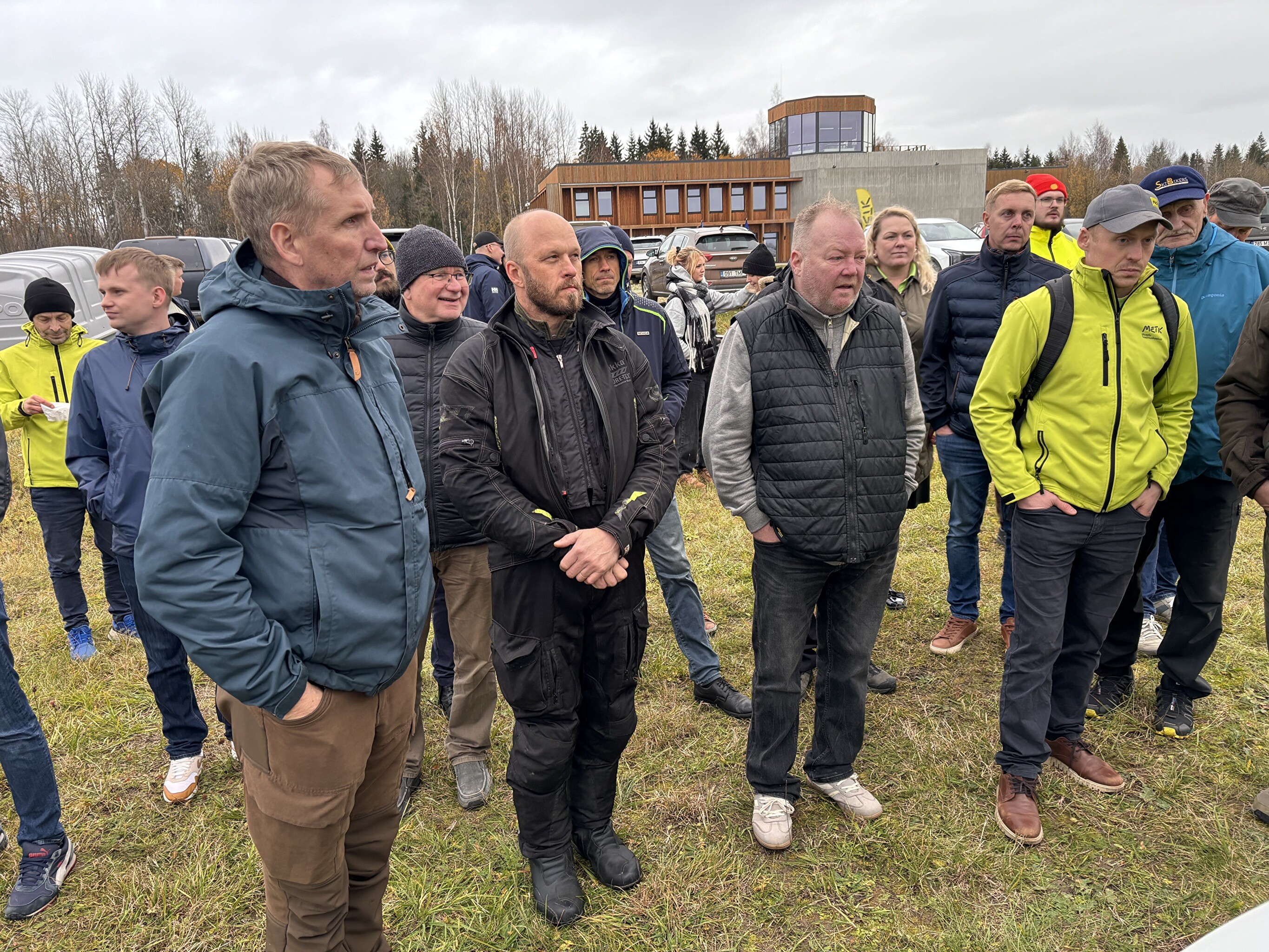
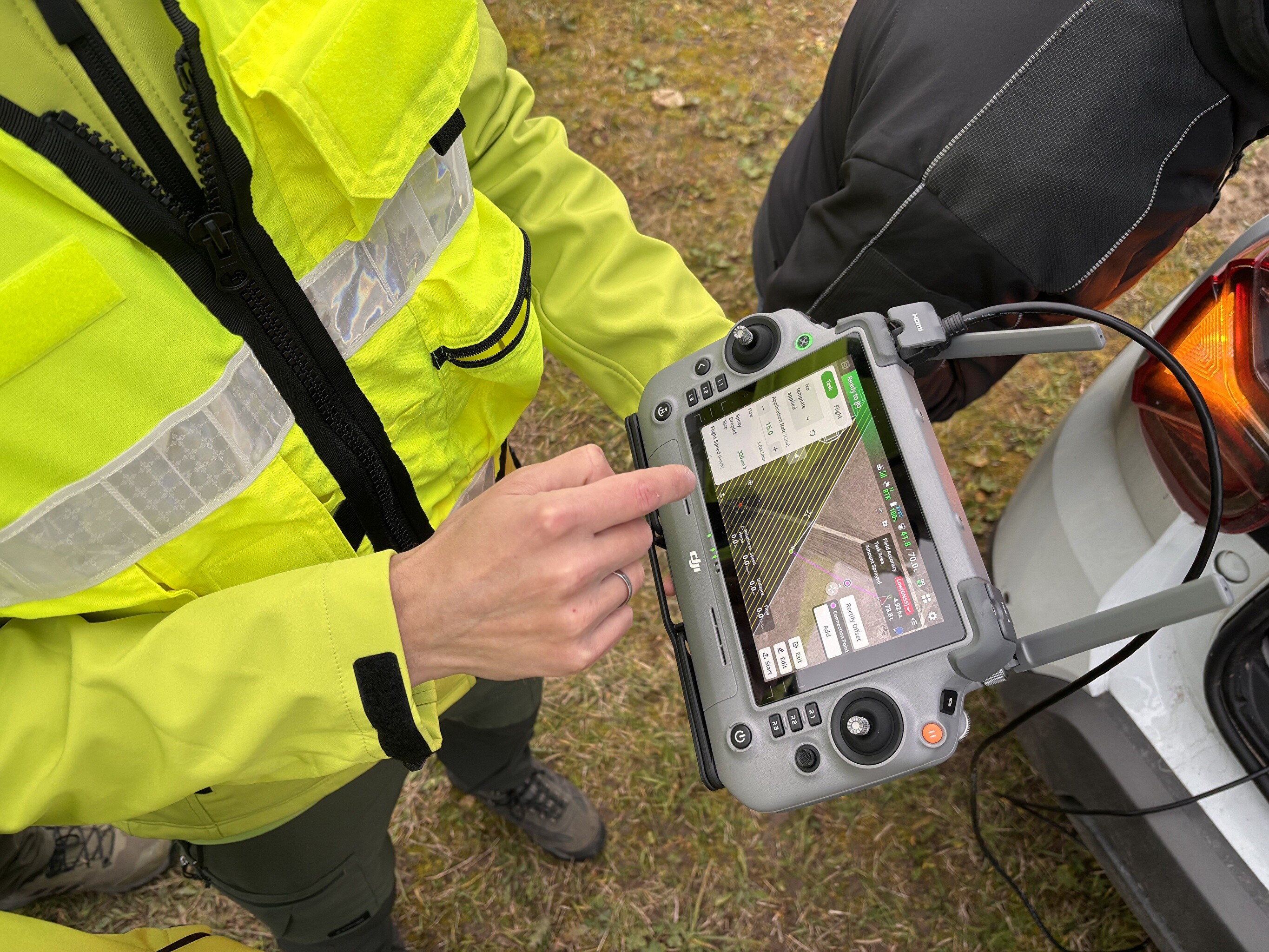
Farmers have been trained at a Rural Knowledge Center (METK) open day at the Nurmsi drone center in Järva County on Thursday, learning to use drones for field monitoring as well as for sowing and weed control.
"Weed infestation, sowing errors, drainage system failures — a great deal of different information. Together with the Rural Knowledge Center, we are currently learning spectral analysis, how to analyze the light reflected from plants by spectral bands," said Madis Pruus, agronomist at Järva County-based agricultural concern Väätsa Agro.
That analysis reveals the health of a given crop. Väätsa Agro has been using simpler and lower-cost drones for six years now, to gather information from fields. This helps in making production decisions.
METK estimates that drones are still not a regularly used tool in day-to-day Estonian agriculture, even as they can perform about a dozen different tasks.
"A drone allows precision farming techniques, variable-rate work cards or spot treatments only," said Ainar Härm, drone technology engineer at METK. For example, if there is a patch of thistles in the middle of a field, only that patch can be treated. "We don't have to go and treat the whole field," he added.
Drones have other advantages too, for instance being lightweight or, since they are airborne, not leaving much of a footprint at all, unlike heavy agricultural plant.
"Since an agricultural drone is light and doesn't flatten down the field, you can work field edges in spring when the fields are soft. You can fertilize and spread seeds," said Anti Konsap, senior engineer at METK.
The main obstacle so far to wider use has been strict restrictions on drone flying, though the situation is gradually improving, experts say.
"From yesterday the law permits the use of plant protection products for aerial spraying, but according to special conditions. It is very important to remember that the product itself must also be approved for aerial use. To my knowledge that list is still extremely short," said Taavi Võsa, researcher in agro-technology at METK.
Farmers who attended the open day said that although drones may turn into an efficient aid, they will fully replace neither the tractor nor the farmer at any time soon.
--
Follow ERR News on Facebook and Twitter and never miss an update!
Editor: Andrew Whyte, Mari Peegel
Source: 'Aktuaalne kaamera,' reporter Olev Kenk.