Skip to main menu 19.09.26 NEWS ... In recent weeks, leading figures in the tech world have grown increasingly vocal in warning about the risks posed by the rapid development of artificial intelligence. However, University of Tartu Professor of Artificial Intelligence Meelis Kull says there is currently no existential risk.
19.09.26 NEWS ... Justice Chancellor Ülle Madise is questioning a new retirement age system that could mean people in Estonia born in the same year start receiving a pension at different times.
18.09.26 NEWS ... Tallinn opened its first drone training classroom on Friday, giving kids and teens in the Estonian capital a chance to learn hands-on skills in a fast-growing field.
18.09.26 NEWS ... People heading into the woods should wear white clothing or a neon-colored reflective vest, determine their location before entering the woods and tell a family member or trusted friend where their secret mushroom-picking spot is, a PPA expert told ERR.
18.09.26 NEWS ... Estonia has 60 emergency-ready gas stations and 79 stores equipped with generators in case of a power outage. By the end of the year, the number of such stores is expected to reach 110.
18.09.26 NEWS ... The Northern District Prosecutor's Office has closed a criminal case against a man who arranged a break‑in at a stranger's apartment to retrieve his missing cat.
18.09.26 NEWS ... Although cycling and pedestrian infrastructure in Tallinn and Tartu has improved in recent years, there is no common standard, sustainable mobility experts Melissa and Chris Bruntlett noted
18.09.26 NEWS ... Students catching buses from Kõrveküla Basic School toward Tartu are increasingly being left behind by overcrowding, with no relief in sight before 2028.
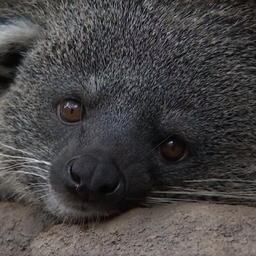
18.09.26 NEWS ... Young binturongs at Tallinn Zoo staged several successful escape attempts from their enclosure, forcing the Tropical House to close to visitors. The pair, Maru and Maimu, have now been moved to a new location where slipping away won't be nearly as easy.
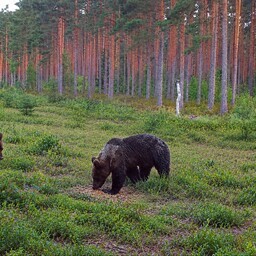
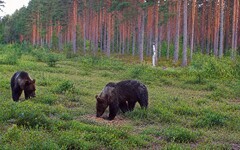
17.09.26 NEWS ... The Tallinn Circuit Court has suspended permits to hunt problem bears pending a ruling on an appeal filed by NGO Eesti Suurkiskjad, which had challenged the permits.
17.09.26 NEWS ... As the days grow shorter, Tallinn's annual "Light Walks" ("Valgus kõnnib") festival returns, transforming Kadriorg Park into an immersive canvas of light and music.
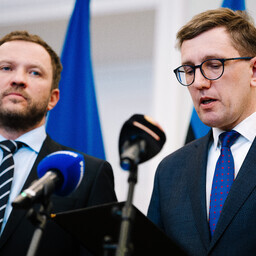
17.09.26 NEWS ... Estonia is preparing for possible security risks if Russia declares a general mobilization, with Prime Minister Kristen Michal saying the country could close its border immediately if the threat assessment warrants it.
17.09.26 NEWS ... Inmates at Viru Prison taught themselves to weave traditional Estonian patterned belts. They have become so skilled that their work is now sold at the Estonian National Museum.
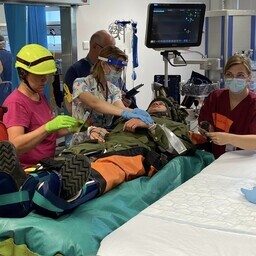
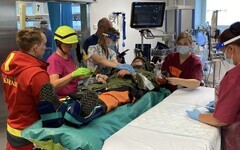
17.09.26 NEWS ... Hospitals in Ida-Viru County are teaming up for a joint campaign to attract doctors to the understaffed region.
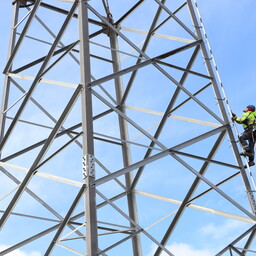
17.09.26 NEWS ... A new training facility for electrical grid technicians at Tartu Vocational College could help ease a severe shortage of electricians qualified to work in the field.
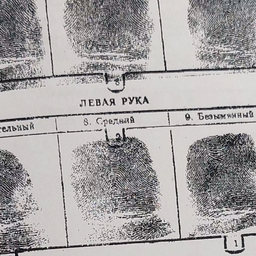
17.09.26 NEWS ... A promising lead emerged thanks to DNA evidence in a triple murder case that had remained unsolved for 25 years, but the investigation was subsequently closed under extraordinary and unusual circumstances.
17.09.26 NEWS ... The special education field is attracting more university applicants, but schools across Estonia are still struggling to find the support specialists their students need.
17.09.26 NEWS ... New regional bus contracts will require drivers to be paid Estonia's average wage, increasing the amount of state funding needed to subsidize bus services.
17.09.26 NEWS ... Former Defense Ministry Secretary General Kusti Salm told ERR about how the contract with Datasel was signed. He stressed that the defense minister bears responsibility for decisions made in procuring ammunition for Ukraine.
17.09.26 NEWS ... A ferry strike that threatened connections to Estonia's small islands has been called off at the last minute after the Estonian Seamen's Independent Union (EMSA) and ferry operator Kihnu Veeteed reached a collective agreement.
16.09.26 NEWS ... Some planned infrastructure and real estate investments will have to be postponed or canceled to cut next year's budget deficit and, if possible, fund modest pay raises for teachers and rescue workers, Education Minister Kristina Kallas told ERR.
16.09.26 NEWS ... A homophobic slur that is still used in Estonian-language media as a direct insult and as a way of policing masculinity has gained an additional function: political labeling, a University of Tartu doctoral thesis has found.
16.09.26 NEWS ... At a time of year when the shortening daylight hours can make driving more hazardous, road users should exercise due care the Transport Board (Transpordiamet) announced.
16.09.26 NEWS ... Auditor General Janar Holm told ERR that the scandals that have emerged in the defense sector in recent months do not pose a security threat to Estonia. He said openly discussing problems instead makes the country stronger.
16.09.26 NEWS ... Estonia plans to use EU funding to upgrade police aviation, strengthen border security and expand shelter capacity as part of efforts to improve the country's internal security and crisis preparedness.
16.09.26 NEWS ... Estonia will only partially transpose a EU directive that would require half of the parking spaces outside larger stores to have the necessary cable conduits for electric vehicle charging by next year.
16.09.26 NEWS ... The Estonian Museum Association is calling for increased state funding to improve access to culture, raise museum workers' salaries and ensure the long-term preservation of collections.
16.09.26 NEWS ... Food served in kindergartens and schools now contains less salt and sugar than before and some parents are concerned that children may be reluctant to eat it.
16.09.26 NEWS ... Tallinn Administrative Court upheld complaints filed by nonprofit organizations and local residents seeking to annul government orders expanding the Estonian Defense Forces' Nursipalu training area.
16.09.26 NEWS ... A plea agreement was struck on day one of the trial of a pro-Kremlin propagandist charged with activities harmful to Estonia's national security.
16.09.26 NEWS ... Folk dance teacher and choreographer Helena-Maria Reimann, this year's recipient of the prestigious Ullo Toomi Scholarship, says Estonian folk dance is thriving.
15.09.26 NEWS ... Minister of Education and Research Kristina Kallas (Eesti 200) says high school admissions should run more smoothly next spring under a unified schedule and revamped system.
15.09.26 NEWS ... Over 60 percent of young people left without a school place hail from Russian-language basic schools and could not enter vocational school due to virtually nonexistent Estonian skills, Education Minister Kristina Kallas said.
15.09.26 NEWS ... Tartu's Genialistide Klubi is facing a shake-up as longtime subtenants Must Kast theater and Möku Bar plan to move out, citing the venue's uncertain future and desire to grow.
15.09.26 NEWS ... A competition for service dogs and their handlers in narcotics detection was held on Monday in Jõhvi, bringing together 17 service dogs at Viru Prison. Competition days are special for both members of each team, dog handlers say.
15.09.26 NEWS ... Running clubs are booming across Estonia, with dozens of free Sörk groups bringing together people of all ages and backgrounds for exercise, community and a bit of fun along the way.
15.09.26 NEWS ... Young people in Estonia should have the courage to experiment more, try new things and make mistakes, psychologist Dagmar Kutsar and Cathy Vivien Vahi, head of youth services development at the Estonian Unemployment Insurance Fund, said.
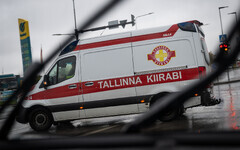
15.09.26 NEWS ... According to the City of Tallinn, the state plans to allocate too few ambulance crews to Tallinn and Harju County, which could reduce access to emergency medical care during peak demand or a major accident.
15.09.26 NEWS ... Police are searching for three men after a 21-year-old died following a mass brawl in the Ida-Viru County town of Kohtla-Järve on Sunday evening.
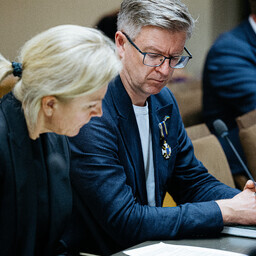
14.09.26 NEWS ... Lawmakers continued examining problems with Estonia's defense procurement and financial management Monday, focusing on the role of Defense Minister Hanno Pevkur in controversial ammunition deals.
14.09.26 NEWS ... Former Estonian Center for Defense Investments (RKIK) Director General Magnus-Valdemar Saar has alleged that outgoing Defense Minister Hanno Pevkur personally pushed for several defense procurement deals and rejected a proposal to halt the arrangement.
14.09.26 NEWS ... Although Estonia's energy poverty situation looks relatively good on paper, individual indicators may not provide the full picture, according to a University of Tartu researcher.
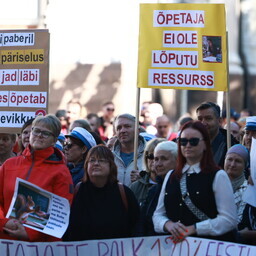
14.09.26 NEWS ... Teachers and rescuers gathered outside the Riigikogu in Tallinn on Monday to demand higher public sector wages in the government's 2027 state budget.
14.09.26 NEWS ... Johanna-Maria Lehtme, founder and former head of Estonian Ukraine aid NGO Slava Ukraini, went on trial in Harju District Court on Monday, appearing remotely from Ukraine.
14.09.26 NEWS ... Pärnu's former dairy plant site is set for a €50–60 million redevelopment featuring business spaces, entertainment and a multipurpose arena.
14.09.26 NEWS ... On Elron's new schedule, many Southern Estonian residents can no longer reach Tallinn before 10 a.m. by train, with a 45-minute transfer in Tartu adding to the journey.
14.09.26 NEWS ... Bus companies say they do not understand why the state is buying new gas and electric buses when they already have buses of their own and have no immediate need to receive buses from the state.
13.09.26 NEWS ... Despite EU plans to let local governments restrict short-term rentals where needed, the Ministry of Economic Affairs and Communications sees no need for new limits in Estonia.
12.09.26 NEWS ... The government has approved amendments to the protection rules for Alutaguse National Park, aimed at merging existing protected areas and species habitats into a single functioning whole. The park will expand by 24,749 hectares, bringing its total area to 69,768 hectares.
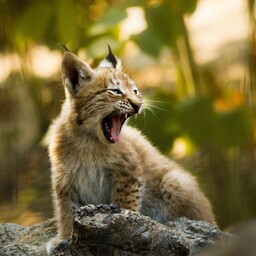
12.09.26 NEWS ... A hunter captured on film an interesting and unusual spectacle as both a lynx and a moose were spotted in the same field.