Külli Kraner: Minimum wage should rise no faster than prices
Employers and labor unions are currently negotiating next year's minimum wage. Their responsibility is to agree on an increase that businesses and the broader economy can sustain. In the accommodation and food service sector, that means the minimum wage should not rise faster than inflation in 2027, writes Külli Kraner.
While the minimum wage across the economy equals about 43 percent of the average wage, in accommodation and food services it already amounts to roughly three-quarters of the sector's median wage. As a result, it is no longer merely the lowest permissible wage but effectively sets the pay level for the entire sector.
The purpose of the minimum wage is to protect the lowest-paid workers. When it approaches the standard wage level, the link between pay and skills, experience and responsibility begins to disappear, leaving employers with fewer opportunities to reward competence and experience through higher pay.
If the minimum wage were to increase by, for example, 5.7 percent next year and reach €1,000 per month, the gap between the pay of an experienced chef or waiter and that of an entry-level assistant would narrow even further. Preserving that gap requires raising the wages of experienced employees as well, pushing up the entire pay structure. In Tallinn, where wages are higher, such increases are easier to absorb, but the minimum wage is the same throughout Estonia.
Rising costs with limited room for price increases
Over the past three years, costs for hotels and restaurants have risen faster than revenues. Wages per employee have increased by nearly 18 percent in restaurants and nearly 15 percent in hotels. Food, beverages, energy and services have become more expensive, while value-added tax rates for both accommodation and food services have increased.
Businesses have been unable to raise prices at the same pace because customers' purchasing power has declined. Restaurants are selling less than they did three years ago, and hotel room rates in Tallinn have remained nearly unchanged.
Labor costs are the largest expense in the sector. A survey conducted among members of the Estonian Hotel and Restaurant Association this fall found that nearly half of businesses would consider reducing staff numbers or working hours if the minimum wage rises rapidly.
Entry-level jobs disappear first
Hotels and restaurants provide many people's first jobs. Employees often enter the sector while studying, after graduation or while seeking a new career, frequently without training or experience. Skills are learned on the job, and employers invest both time and money in that process.
The minimum wage is the entry-level wage for these workers. If it rises faster than company revenues allow, employers will prefer experienced workers who can start immediately. Beginners will have fewer opportunities, and the jobs that launch so many careers will be the first to disappear.
Minimum wage increases also affect competition in the accommodation market. Hotels pay wages and employment taxes for receptionists, cleaners and cooks. Short-term rental providers often have no formally employed workers, even though many operate at a scale comparable to a small accommodation business, with multiple apartments, daily cleaning, linen services and key handovers.
The work is still being done. The question is whether labor taxes are being paid on it. Minimum wage increases only raise costs for businesses that formally employ workers, and with every increase the gap widens between companies that comply with the rules and those that do not.
We do not want to restrict short-term rentals. We want equal rules for providers of the same service.
Tourism organizations have proposed a solution to the Ministry of Economic Affairs and Communications, arguing that little has been done on the issue for years. One element would distinguish between occasional home-sharing and commercial activity. If someone rents out their home occasionally, it is part of the sharing economy. If a property is rented for more than 60 nights per year or if more than one apartment is rented out, it should be treated as a business, registered and subject to the same requirements as other accommodation providers.
Sustainable wage growth depends on what customers can afford
Workers' financial well-being matters. In terms of purchasing power, Estonia's minimum wage was the lowest in the European Union at the beginning of 2026. But purchasing power depends not only on wages, but also on taxes and prices. If the tax-free income threshold increases, workers take home more pay without increasing employers' costs.
A reduction in value-added tax would also help the food service sector. A large share of restaurant prices reflects labor costs, and because VAT is applied to the full price, labor is effectively taxed as well.
Estonia's VAT rate for food services is 24 percent, while most European countries apply lower rates. In Finland it is 13.5 percent, and Germany cut its rate to seven percent at the beginning of 2026. If Estonia reduced the rate to 13 percent, businesses could raise wages without cutting jobs, while customers would face less price pressure, helping to sustain demand.
We want our employees' wages to increase. Sustainable wage growth, however, comes from workers' skills and from what customers are willing to pay for services. A minimum wage increase raises everyone's wages equally, regardless of what a business can earn.
From the perspective of the hotel and restaurant sector, therefore, the minimum wage increase in 2027 should not exceed inflation. Flexible working-hour rates should be decoupled from the minimum wage, and policymakers should recognize that in some sectors the minimum wage is already close to the standard wage level. Measures such as increasing tax-free income and adjusting VAT spread the burden more broadly and do not threaten jobs as directly as rapid minimum wage increases.
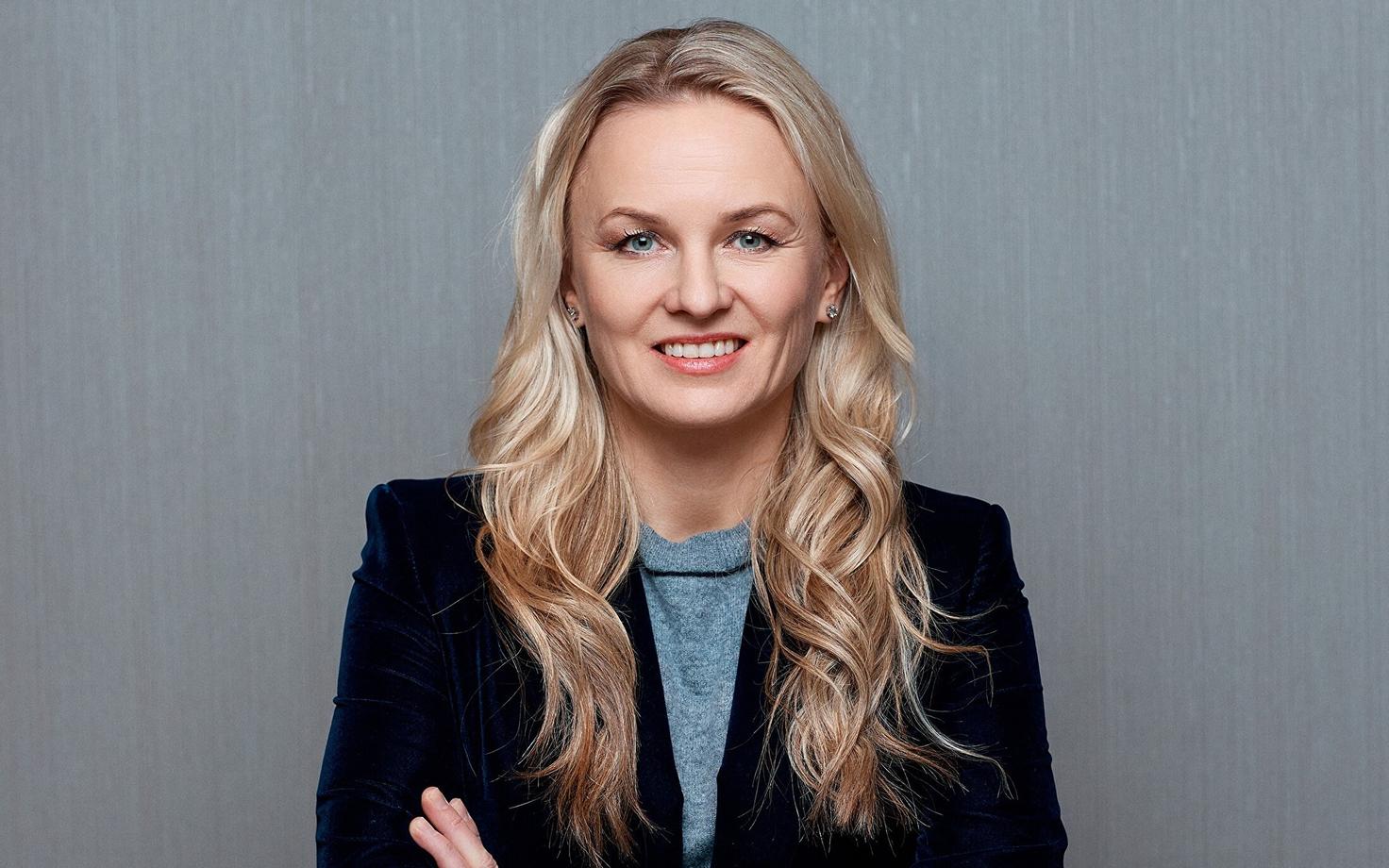
Külli Kraner is chief executive officer of the Estonian Hotel and Restaurant Association, which is a member of the Estonian Employers' Confederation.
--
Editor: Kaupo Meiel, Argo Ideon


