Estonian ex-soldier jailed in Russia after visiting his wife
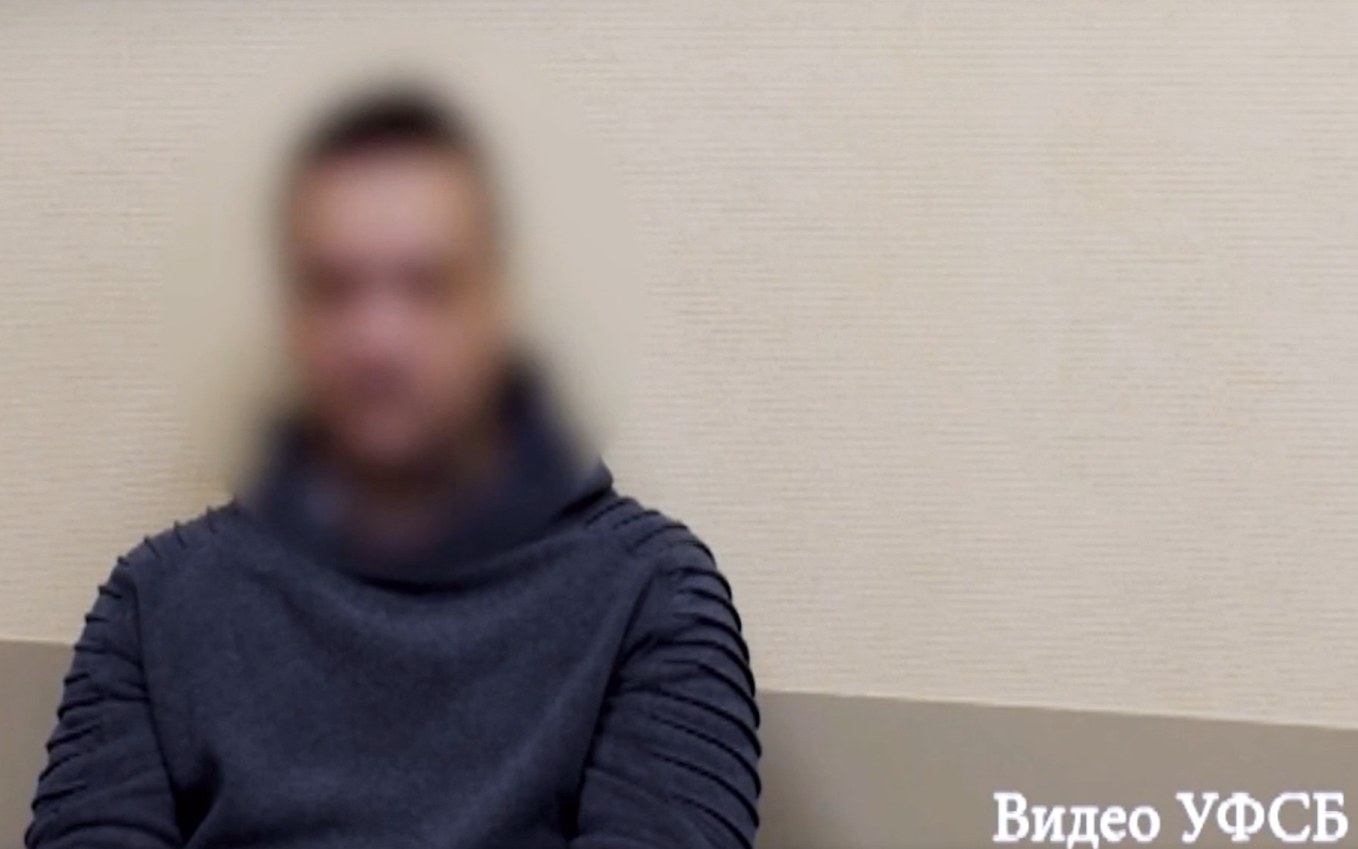
A former Estonian Defense Forces member is currently in a Russian prison, accused by the FSB of planning to fight for Ukraine — a charge his family says was forced out of him.
Artur Kirmjõe, 30, is married to a Russian national who is banned from entering Estonia, leaving him to travel to Russia to visit her. He had done so over 10 times before he was detained on April 29.
In a video published by the FSB — Russia's main internal security organ — in the Vladimir oblast in June this year, a man with his face concealed states he got in touch with Ukrainian contacts and asked to join Ukraine's armed forces.
"My attitude towards the war in Ukraine became sharply negative. On my own initiative, I contacted Ukrainian contacts and asked them to help me join Ukrainian military units to fight on their side against Russia," the man is heard to say.
Relatives confirm it is Artur, but say he was induced to say what he does in the video.
"He said what he was forced to say, but it is all lies. It is not true. He was just reading it, I don't know, from a screen or from a piece of paper," said his brother, Jüri.
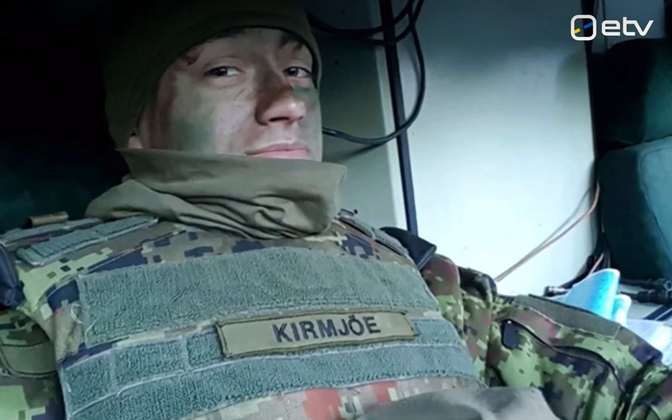
Artur's mother, Inga Allikas, points out the absurdity of the charges given how and why her son had traveled there. "If a person wants to go and fight on Ukraine's side, they don't take big suitcases and a cat and travel to Russia to their wife," she said.
The "Pealtnägija" report was the first time Jüri and Inga have spoken publicly on the episode under their own names and faces. The family had not drawn attention to the case earlier, hoping it was a misunderstanding which would resolve itself. Now they want international attention drawn to the situation: the 30-year-old Estonian citizen faces 7 to 12 years in prison based on what they call a trumped-up confession.
Artur was born in Tallinn and grew up in nearby Maardu. He is bilingual and studied in Russian for his first eight school years, and in Estonian after that. After high school he studied at the maritime academy, was conscripted, and stayed on as a regular EDF member — serving as a paramedic in the Scout's Battalion at Tapa from autumn 2018 to the end of 2020.
The chain of events leading to his current plight began shortly after Russia's full-scale invasion of Ukraine in February 2022. In late March that year, a couple arrived from Russia — a married couple, aged just over 20, referred to in the report as Lina and Sergei. In early April 2022 they applied for international protection in Estonia, saying life in Russia was dangerous for them due to their anti-war views.
"Lina was persecuted because of her political views, which were clearly opposed to the Russian state," said her lawyer, Merili Laansoo.
Indrek Aru, head of the PPA North Prefecture's border guard bureau, said not all circumstances could be commented on, but that the grounds given were checked and no sufficient basis for protection was found.
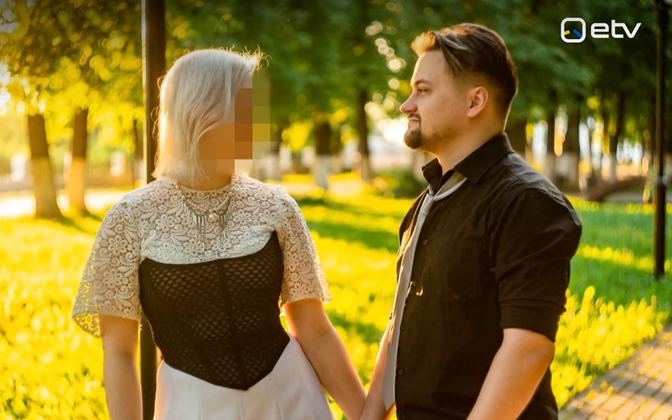
When the PPA refused protection, Sergei and Lina appealed. Tallinn Administrative Court found they were not in real danger in Russia: no criminal cases had been opened against them, they were not on any wanted lists, and the likelihood of attracting the authorities' attention was low. The pair appealed to the Supreme Court without success. In November 2023, they were banned from entering Estonia for three years — a detail that matters much in respect of what followed.
"He was quite shocked. You could see he was very uncomfortable, because he started crying. Just uncontrollably," said their friend Lars-Eerik Väina.
While the court cases were unfolding, a romance unfolded too, between Artur and the still-married Lina. The pair were working as security guards at the Kauplus Aasia club in Tallinn. Lina divorced Sergei in summer 2023.
Since Lina had to leave Estonia a few months later, in November 2023, Artur and Lina married in Russia on June 1, 2024, at a registry office in Vladimir, 200 kilometers from Moscow. The couple said they hoped the entry ban would now be lifted, but the PPA refused again — seeing it as suspicious that the application to live in Estonia had come so soon after the marriage, which in turn had followed soon after the entry ban.
As a result, Artur shuttled between Estonia and Russia more than ten times between 2023 and 2026 to see his wife. The lawyer representing them repeatedly pointed out that traveling to Russia could be dangerous, particularly as Artur was a former serviceman, but the PPA downplayed any danger.
"A significant number of Estonian citizens live permanently in Russia. In this case, the specific person has traveled back and forth to Russia repeatedly. Yes, at certain stages our wording may not have been the best. I admit that in hindsight," Aru said. He added that the official information presented at the time was not meant to encourage Estonians to travel to Russia, and that it was an unfortunate choice of words.
"I think those decisions are made en masse; everyone gets the same reply under their application. Nobody looks through the files, nobody looks at the applicant's background, whether it is genuinely safe for them or not," Inga said.
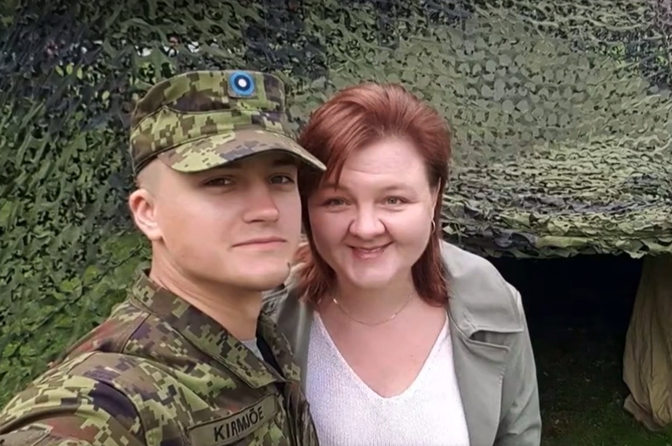
Inga now lives in Helsinki and works as an accountant, but she previously spent years working as a translator for the PPA. She believes official indifference cost her son his freedom. Separation from his wife has caused Artur mental health problems, the family says, and in April this year he traveled to Russia again, after six months apart.
"I lived with him for about 20 years. And the fact that he went there means love told him that it was the only thing worth going for — love," said his brother Jüri.
At the end of April, the FSB arrested the Estonian citizen in Lina's kitchen. Then in June the video appeared on the FSB Vladimir office's Telegram channel and spread to other outlets. In it, Artur appears to confess to anti-Russian activity.
Relatives, who can only communicate with Artur by letter via Lina, believe the video statements are entirely fabricated. "Artur has never been to Ukraine, not even out of tourist interest. To comment on what the charge is based on — some correspondence that was found, maybe. I don't know," said Inga.
Aru said the family's view is now seen differently in light of the arrest and detention. "But in hindsight, would that change anything? We cannot change the past. It is, unfortunately, a tragic story," he said.
Lina says she is currently not facing persecution, but, citing her safety, declined to appear in the report and asked that her real name not be published.
Artur's family has hired a lawyer in Russia and recently appealed to the Estonian Foreign Ministry for help, so that consular officials can assist and diplomats can perhaps pull international strings. "I know Estonia should somehow contact the United States — I don't know which institution — and start negotiations to have Artur added to an exchange list, so he might get home sooner than if he serves all those years," Inga concluded.
--
Follow ERR News on Facebook and Twitter and never miss an update!
Editor: Andrew Whyte, Marko Tooming
Source: "Pealtnägija," reporter Uljana Kuzmina.