Prime minister slams US-Russia diesel pact: Deals with dictators 'road to hell'
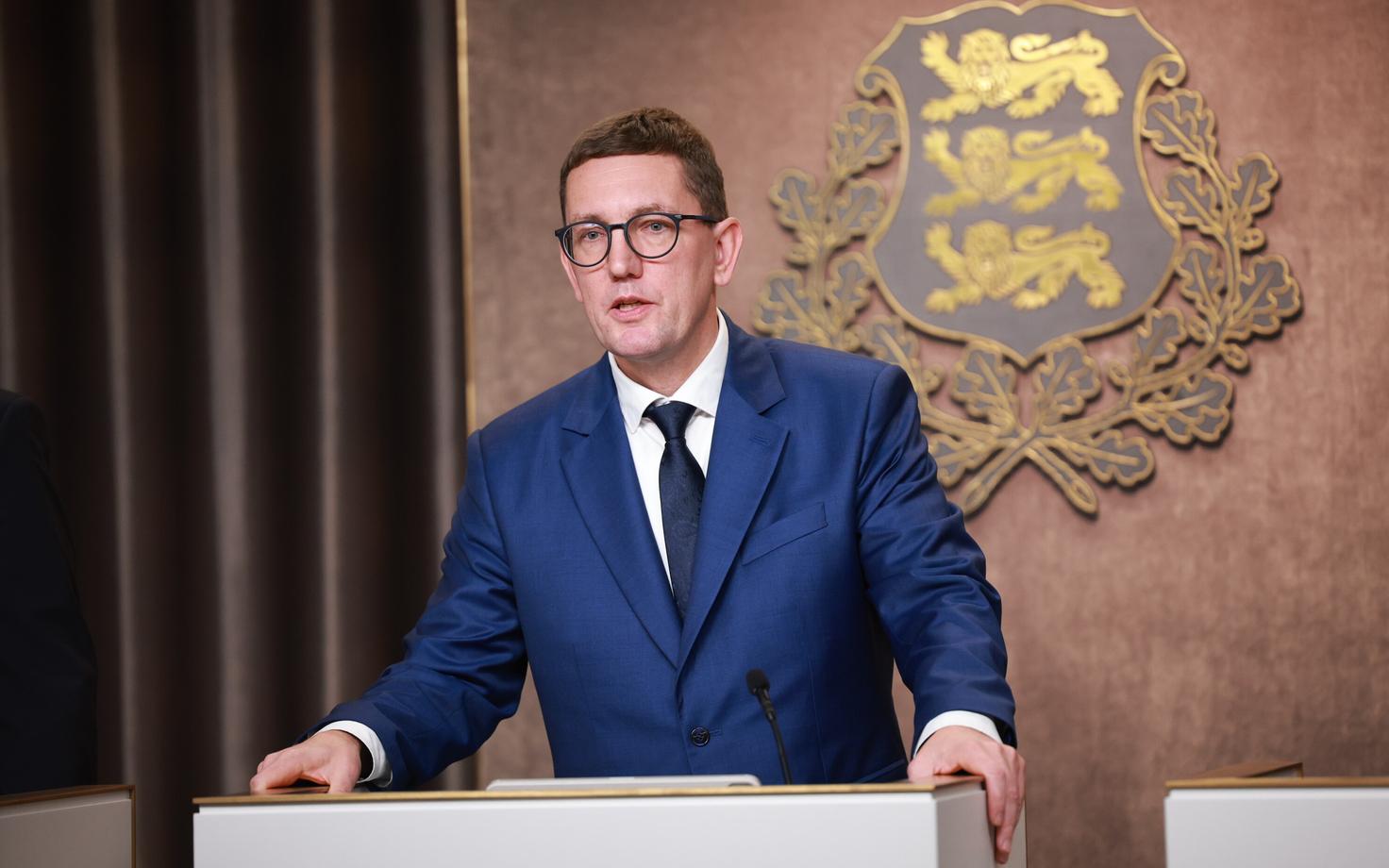
Prime Minister Kristen Michal has sharply criticized the US decision to strike a diesel deal with Russia, saying agreements with dictators lead to hell.
Trump said Friday that Russia had agreed to bring 300,000 tonnes of diesel to the world market immediately, with more to follow, under a temporary US licence.
Ahead of next month's midterm elections, US President Donald Trump has struck a deal with Vladimir Putin for Russia to supply millions of tonnes of diesel to the world market, a move Trump said was essential to bring down fuel prices.
The US issued a temporary license for Russian diesel supplies to the world market, valid until April 7 next year.
"This is a major miscalculation, because deals with dictators are the road to hell. Innocent people are being killed for gas and fuel money. And what is very likely is that the hoped-for fuel will not come," the prime minister noted on social media.
"Such an agreement runs counter to the Western world's long-standing efforts to limit the flow of money from energy carriers to [Vladimir] Putin. The US has until now persuaded its allies to abandon Russian fuel — we have too," Michal said.
According to him, the long-term line of cutting Russia off from money is correct and must continue.
"It is worth discussing in Estonia and at the European Council next week whether we can quickly contribute more to Ukraine so they can blast Russia's oil refineries to smithereens," Michal added.
Reform MP: Trump is thinking about the midterms
MP Marko Mihkelson (Reform), chair of the Riigikogu Foreign Affairs Committee, earlier said he believes the upcoming midterm elections prompted Trump's diesel agreement with Russia, but at the same time, Russia will draw encouragement from the deal to continue its war in Ukraine.

"The Trump administration is on its back domestically over its moves and is trying to do everything to avoid a major Republican defeat in the midterm elections less than a month away," Mihkelson wrote on his social media account.
He said the hope of reducing diesel prices at US pumps with Russia's help is short-sighted and carries a much higher strategic cost for the United States.
"At the same time as the Graham sanctions bill approved in Congress would give the president the opportunity to increase economic pressure on Russia, the White House is instead lowering pressure on Russia and demanding that Ukraine stop attacking refineries," the MP went on.
"If it is true that this was accompanied by a Washington threat to Kyiv to stop sharing intelligence if the attacks continue, then this gives Moscow only one unambiguous signal — kill and destroy Ukraine, the US will not stand in the way," he added.
Mihkelson said Trump's efforts to end the war through negotiations have produced not the slightest result.
"The fighting is bloodier than at any previous moment in the entire full-scale invasion," he said. "If you give an aggressor oxygen, the war will not stop."
He stressed that Europe's allies have only one path — to ensure Russia's strategic attack goals fail and the Kremlin's imperial wars end in defeat.
"This clear strategic goal should also be in the US interest, because Russia's long-standing desire, together with China and Iran, to weaken the United States' leadership role is reaching a decisive phase," Mihkelson continued.
Ahead of next month's midterm elections, U.S. President Donald Trump has struck a deal with Vladimir Putin for Russia to supply millions of tonnes of diesel to the world market, reversing years of Western pressure on the Kremlin. Trump said the move was essential to bring down fuel prices, which have soared since Iran's closure of the Strait of Hormuz, and warned of a diesel export ban on any EU states that do not release reserves to counter the spike. The G7 agreed earlier this week to release 100 million barrels of oil and diesel from reserves.
MEP: The important thing is to keep that fuel from reaching Europe
Member of the European Parliament Riho Terras (Isamaa) said Trump's deal with Russia looks like a betrayal, sending a negative message to both Ukraine and Europe.
"I would hope this will lead European allies to realize even more clearly the need to support Ukraine and try to close the loopholes in their own sanctions, so that even if this fuel reaches America, it won't find its way into Europe through the back door. I think this could mobilize Europeans to provide even more support for Ukraine because that's the only option," he said.
Terras added that Trump's actions are unpredictable and may not benefit him.
"The deal struck with Putin is a win-win for Putin. He came out ahead both economically and politically. He demonstrated to the world that Putin is needed to save the global economy. That's actually absurd," Terras said.
Kallas: US-Russia diesel agreement helping to fund Kremlin's war of aggression
An agreement between the United States and Russia to lift sanctions on Russian diesel fuel provides Moscow with "more revenue to wage the war," EU foreign policy chief Kaja Kallas said Saturday. Kallas added that Russian attacks have caused the death of more than 80 Ukrainian civilians in two days and that Moscow has "intensified its hybrid attacks against Europe, both against EU member states and NATO allies."
Russian strikes killed over 80 Ukrainian civilians in two days. Moreover, it has stepped up its hybrid attacks against Europe, both EU Member States and NATO Allies. Suspending sanctions on Russian diesel provides Moscow with more revenues to wage war. This is not the time to ease pressure on Russia, and Europe won't. On Monday, EU Foreign Ministers intend to approve the biggest set of sanctions listings targeting Russia's war machine since the start of the war.
— Kaja Kallas (@kajakallas) October 10, 2026
"Suspending sanctions on Russian diesel provides Moscow with more revenues to wage war. This is not the time to ease pressure on Russia, and Europe won't. ," she wrote.
--
Follow ERR News on Facebook and Twitter and never miss an update!
Editor: Andrew Whyte, Valner Väino, Marcus Turovski


