Baltic Defense Line bunkers installed near Estonia's Narva
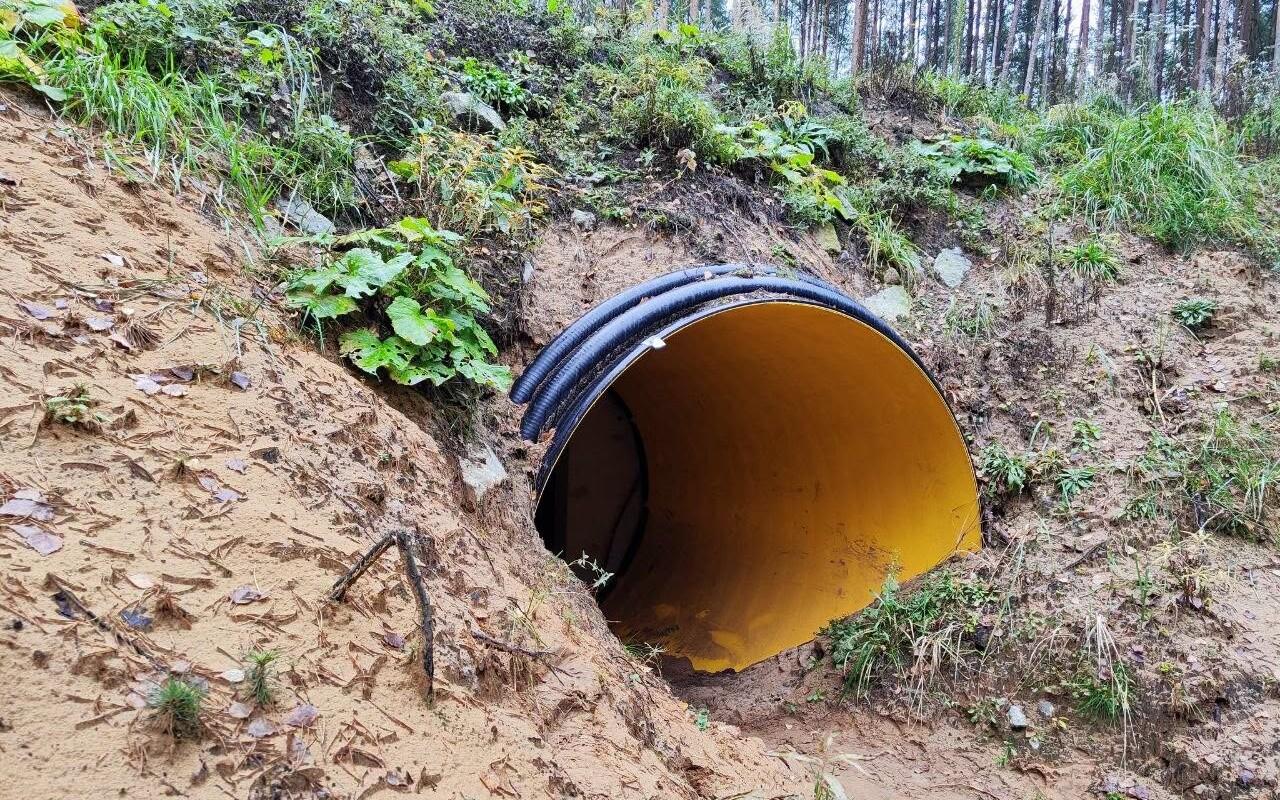
The installation of concrete bunkers on Estonia's section of the Baltic Defense Line is continuing in Ida-Viru County, and the first structures have now been completed near Narva.
Estonia plans to place approximately 600 structures along the border with Russia, and the first bunkers were erected in southern Estonia last year.
The Baltic Defense Line is a joint network of defensive structures built by Estonia, Latvia and Lithuania, running along the borders with Russia and Belarus. Estonia's section is around 100 kilometers long.
Obstacles installed in northeastern and southeastern Estonia will slow the enemy's movement, while concrete bunkers will protect soldiers from artillery fire, officials say.
The defense line is a peacetime preparation for a wartime plan.
"We know that we will not have much time if the enemy crosses the border. We also do not have land to give up to them to gain time. That is why we are starting right at the border and trying to do as much as possible in peacetime," explained Estonian Defense Forces engineer inspector Ainar Afanasjev.
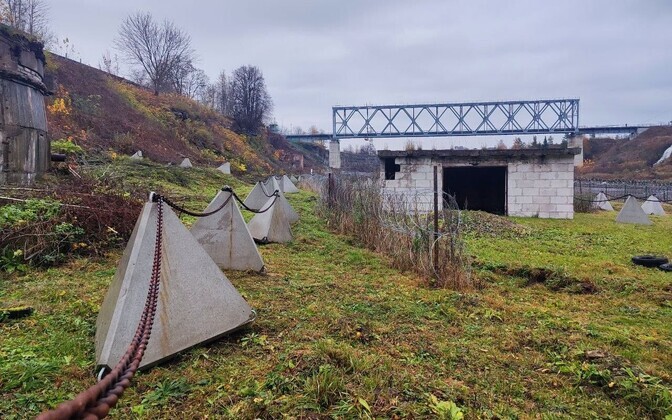
So far, the most progress in northeastern Estonia has been made with obstacles. Where possible, they have already been constructed. In addition, thousands of "dragon's teeth" have been stockpiled along the border so they can be quickly put in place if necessary.
The most labor-intensive part of constructing the defense line is building the bunkers. So far, only 28 have been completed, as work was slowed down by legal challenges.
"The initial plan was to begin constructing the next strongpoints in the third quarter of this year. Unfortunately, we became embroiled in disputes during the procurement process, which, as of this Monday, have reached a final resolution, and we can proceed with the procurement procedures," said Armin Siilivask, the Baltic Defense Line project manager at the Estonian Center for Defense Investments (RKIK).
The completed bunkers will be equipped with electricity and communications systems, while the Defense Forces will dig trenches and firing positions next to the bunkers.
"It is clear that if we receive an early warning, we will mobilize our army, and these positions have been built so that they can come here and begin carrying out their tasks. To fight the battle that we have to fight," Afanasjev added.
Construction of the defense line will cost nearly €60 million, and it is hoped that it will be completed by the end of next year.
--
Follow ERR News on Facebook and Twitter and never miss an update!
Editor: Helen Wright, Mari Peegel
Source: Aktuaalne kaamera


