Skip to main menu 06.10.26 NEWS ... The investigation into the helicopter crash in Finland that killed five people found that the aircraft had been flying in a formation‑like manner while disregarding standard group‑flying practices, and had performed several dangerous maneuvers before the collision.
06.10.26 NEWS ... Justice and Digital Affairs Minister Liisa Pakosta has submitted a proposal to the Riigikogu and the government seeking significantly tougher penalties for illegally transporting foreign nationals across the state border.
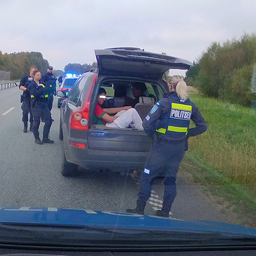
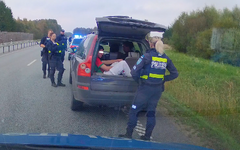
06.10.26 NEWS ... In the past few days, police have detained six foreign nationals suspected of organizing illegal migration, along with 19 people who entered Estonia without a legal basis. Prosecutors are seeking the arrest of all six suspects or immediate punishment through expedited proceedings.
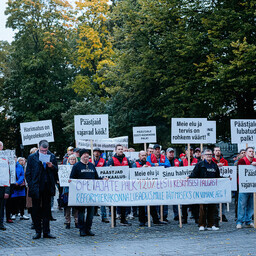
06.10.26 NEWS ... The Estonian Educational Personnel Union (EHL) and the Ministry of Education and Research will begin negotiations next week on a collective agreement for the country's state-run general education schools.
06.10.26 NEWS ... A University of Tartu study found nearly 3 in 4 educators have experienced bullying at some point in life, affecting how they perceive their workplace.
06.10.26 NEWS ... Estonia's first fall storm is forecast to hit this weekend, said Hannes Tõnisson, senior researcher in geoecology at Tallinn University. Temperatures are expected to turn sharply colder around October 18–21.
06.10.26 NEWS ... This year, flu vaccines will reach Estonia later than usual, with the final delivery arriving only in January.
06.10.26 NEWS ... The Police and Border Guard Board (PPA) has stepped up its border checks, and not only at the eastern border, but also in Valga, on the Latvian border.
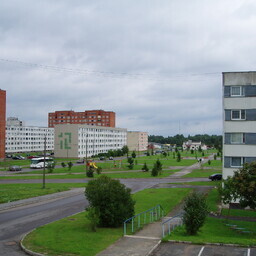
06.10.26 NEWS ... Land tax could rise by up to 100 percent in Kohtla-Järve, Ruhnu and Tori next year, Postimees reported, citing rates published by Estonia's Tax and Customs Board, Postimees reports.
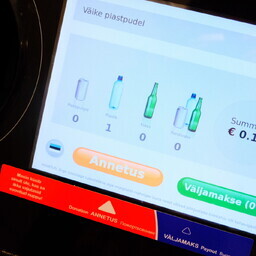
06.10.26 NEWS ... People in Estonia continue to return bottles at high rates despite the 10-cent deposit losing value to inflation, giving the state little incentive to raise the fee.
06.10.26 NEWS ... An incident at the weekend involving a family on a Tallinn tram prompted similar stories online accusing drivers of a lack of due care and attention.
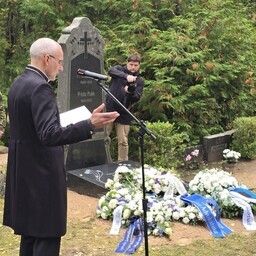
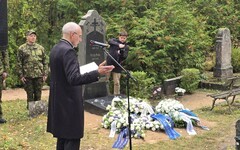
05.10.26 NEWS ... Estonian statesman Otto Pukk has been laid to rest on his home island of Saaremaa, 126 years after his birth there and 75 years after his death.
05.10.26 NEWS ... QR code stickers appearing near schools in Estonia are directing users to a website selling drugs online, police say, raising concerns about access by minors.
05.10.26 NEWS ... The lights recently being off on Estonia's War of Independence Victory Column in Freedom Square in Tallinn has a simple explanation.
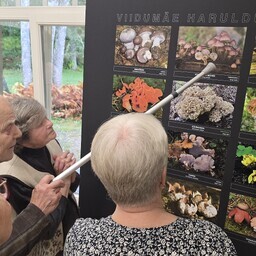
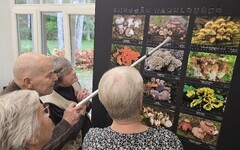
05.10.26 NEWS ... On the Western Estonian island of Saaremaa, nearly 300 photographs are now on display at a local nature center, spotlighting decades of work by mycologist Vello Liiv.
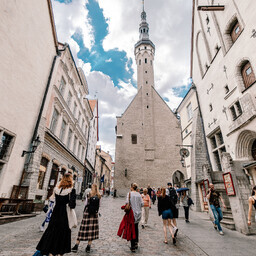
05.10.26 NEWS ... Foreign tourists are increasingly focusing trips to Estonia on Tallinn, with the capital setting a July tourism record as other destinations lag behind pre-pandemic levels.
05.10.26 NEWS ... A court on Monday upheld a ruling denying convicted traitor Deniss Metsavas conditional early release from prison.
05.10.26 NEWS ... In mid-September, police in Rakvere detained two men, aged 21 and 24, on suspicion of drug offenses. Evidence gathered so far indicates that the men worked as couriers, placing drugs in caches across Estonia.
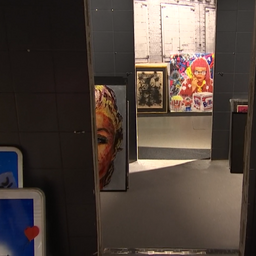
05.10.26 NEWS ... Old hand-scribbled "___ was here" tags are giving way to social media content, prompting Estonian museums to adapt how they present art for Instagram and TikTok audiences.
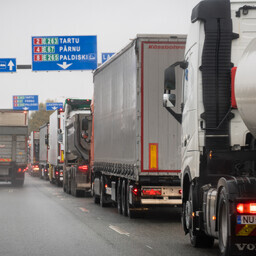
05.10.26 NEWS ... The Climate Ministry says it wants truck drivers to be allowed to work longer in emergencies to help prevent disruptions to supplies of essential goods.
04.10.26 NEWS ... During a review of manor heritage in Jõgeva County, the National Heritage Board recommended removing one-third of the area's architectural monuments from state protection.
04.10.26 NEWS ... Pike anglers competed at Lake Saadjärv on Saturday. Pike are crafty fish and less experienced anglers may end up with no catch at all.
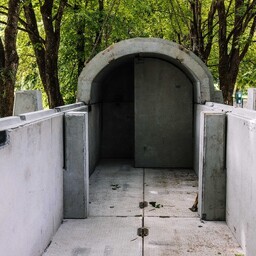
04.10.26 NEWS ... Estonia's preparedness for major crises is steadily improving, but much remains to be done, according to both the interior minister and the Rescue Board. The biggest challenge is the shortage of shelters in Estonia.
03.10.26 NEWS ... Getting to a doctor increasingly requires traveling farther from home as services concentrate in larger centers. For example, residents of Võru and Põlva counties make nearly 70 percent of their doctor visits outside their home county.
03.10.26 OPINION ... Estonia shows a pattern in which many county centers are, relative to their population, almost oversupplied with sports, education, culture and public services, Raul Rebane writes.
03.10.26 OPINION ... The lack of meaningful integration between the social welfare and healthcare systems forces people in need to navigate a bureaucratic maze that many older adults cannot manage, writes Marica Lillemets.
03.10.26 NEWS ... Minors in Estonia are using the state portal Eesti.ee to change their personal data in a web browser and thereby gain access to bars and clubs. The Information System Authority (RIA) is aware of the scheme but cannot do anything to stop it.
03.10.26 NEWS ... If schools restrict snack bar offerings but children start buying snacks from nearby shops instead, their diet will not become healthier, school caterers say. The Ministry of Social Affairs, however, believes there is no reason to assume that all students will rush to shops instead of the school snack bar because of the new requirements.
03.10.26 NEWS ... The government's decision to slow salary growth for some higher‑ranking state officials over the next three years will save €32.3 million, but judges argue the move may violate the constitution.
02.10.26 NEWS ... Estonian prisoners gain access to nicotine pouches and uninterrupted sleep thanks to Swedish inmates.
02.10.26 NEWS ... The Social Insurance Board will pay out €200 for retirees who live alone together with the pension on 5 October.
02.10.26 NEWS ... Estonia's annual nationwide online math competition, e-rehkendus (e-calculation), takes place for the third time next Wednesday.
01.10.26 NEWS ... The government approved a bill amending the Estonian Public Broadcasting Act and will send it to the Riigikogu. The changes concern both ERR's funding and governance model.
01.10.26 NEWS ... The Transport Administration is preparing to remove vehicles with suspended registrations from the traffic register on November 1. As of October, there are 91,538 such vehicles.
01.10.26 NEWS ... Prime Minister Kristen Michal told ERR that the government has decided to curb pay increases for senior state officials.
01.10.26 NEWS ... A ride-hailing app does not only bring customers and taxi drivers together, but also shapes their mutual expectations, writes Tallinn University of Technology (TalTech) doctoral student and junior researcher Artur Toikka.
01.10.26 NEWS ... Artificial intelligence is giving cybercriminals increasingly powerful tools, but fears that AI agents are acting independently and escaping human control are overstated, Juhan Lepassaar, head of the EU Agency for Cybersecurity, says.
01.10.26 OPINION ... Unfortunately, access to medical care has fallen short of residents' health needs and expectations for years. Maris Jesse writes that the Health Insurance Fund board's decision to prioritize cost‑cutting over improving care is shortsighted.
01.10.26 NEWS ... Vocational schools will receive nearly €14 million in additional government funding next year to support vocational education reform, though the sector says a new long-term funding model is also needed.
01.10.26 NEWS ... Homebuyers are increasingly filing claims against sellers after closing a deal, a process that has become easier as buyers turn to artificial intelligence rather than lawyers for help.
01.10.26 NEWS ... The government disregarded the spirit of the law when it dismissed Defense Ministry Permanent Secretary Kaimo Kuusk, said former state secretary Taimar Peterkop.
30.09.26 NEWS ... The Ministry of Social Affairs' plan to reduce ambulance crews from three members to two would make it more difficult to ensure emergency medical services capacity in a crisis or wartime situation, the EDF finds.
30.09.26 NEWS ... Chancellor of Justice Ülle Madise is asking the Supreme Court to invalidate a regulation under which the City of Keila has imposed a general infrastructure fee on developers, which Madise says has no legal basis.
30.09.26 NEWS ... Estonia's rescue service needs around 100 more personnel, its deputy director has said, warning pay remains too low and the shortfall threatens response capacity.
30.09.26 NEWS ... While government support for apartment building renovations has so far covered 30 to 50 percent of renovation costs, in the coming years the government will cover just 20 percent.
30.09.26 NEWS ... The Estonian Medical Association has sent an open letter to Social Affairs Minister Karmen Joller (Reform), raising concerns that police and other state agencies can access patient records.
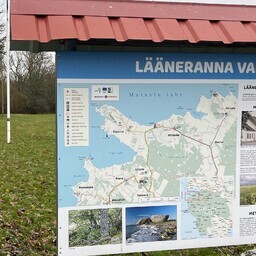
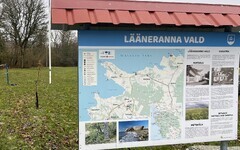
30.09.26 NEWS ... Lääneranna Municipality has asked Estonia's election service whether it can hold a public poll on joining Lääne County alongside the next local elections.
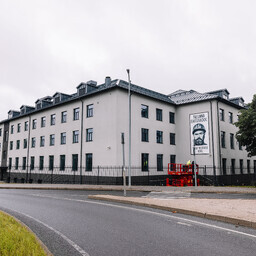
29.09.26 NEWS ... Justice Minister Liisa-Ly Pakosta (Eesti 200) has proposed allowing buildings bearing occupation symbols erected between 1940 and 1991 to be removed from state heritage protection.
29.09.26 NEWS ... Publishing house Tänapäev's editor-in-chief told ERR that original manuscripts written with AI remain rare, but the technology has already made its way into translation and illustration.
29.09.26 NEWS ... Estonia's Supreme Court has ruled that indefinitely publishing certain expunged drug and arson convictions is unconstitutional, meaning the Riigikogu will have to revisit the legislation.