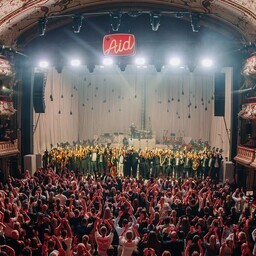
Skip to main menu 09.10.26 NEWS ... A fundraiser auction for the Estonian Artists' Association (EKL) was suspended Thursday evening amid concerns over a possible cyberattack. The auction is set to resume Friday.
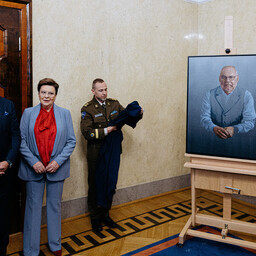
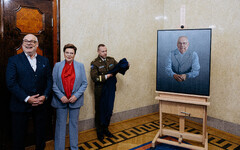
08.10.26 NEWS ... On Thursday, a portrait painting of President Alar Karis was presented at the Office of the President, created by painter Tõnis Saadoja at Karis's request.
09.10.26 NEWS ... A total of 155 songs have been submitted to Eesti Laul 2027, Estonia's annual competition to pick its Eurovision Song Contest entry.
09.10.26 NEWS ... On October 1–3, conductor Kristjan Järvi led three Hamburg charity concerts with the Lufthansa Orchestra featuring British pop star Calum Scott and German rapper Kontra K.
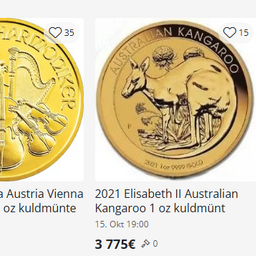
08.10.26 NEWS ... Nearly €400,000 worth of gold coins found hidden in a truck seat at Estonia's Luhamaa border checkpoint are now up for grabs after authorities put them up for auction.
08.10.26 NEWS ... The Estonian Christian Orthodox Church and Pühtitsa Convent in Kuremäe, Ida-Viru County, have filed complaints with the European Court of Human Rights over a law requiring them to sever ties with Moscow.
07.10.26 NEWS ... Musician and composer Maarja Nuut's latest work pairs Estonian poetry with a London vocal ensemble, exploring how choral music sounds through a different cultural lens.
07.10.26 NEWS ... Kumu's new exhibition "Expedition" explores how Finno‑Ugric heritage and linguistic kinship became an important part of Estonian identity. Interest in Finno‑Ugric heritage grew especially in the 1970s and 1980s, supported by creators across cultural fields as well as scholars, says curator Linda Kaljundi.
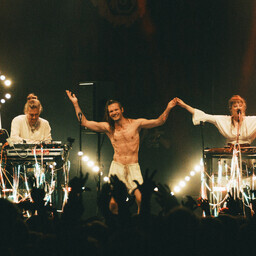
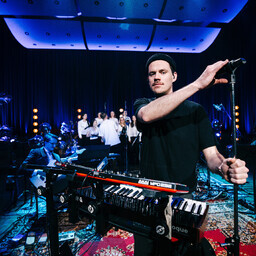
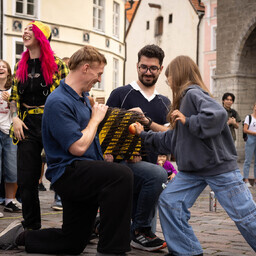
07.10.26 NEWS ... For Viljandi folktronica band Oopus, it's clear that nightclubs today fill the same social role the village swing once did, bringing people together through music and dance.
06.10.26 NEWS ... In April, the neo‑prog band Marillion will give two full‑length concerts in Tallinn on two consecutive evenings, each with a different setlist.
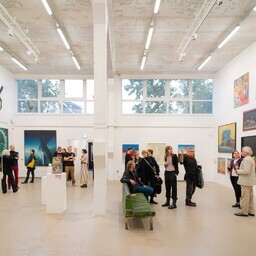
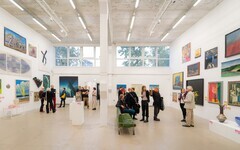
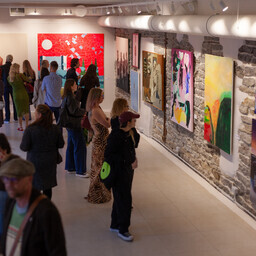
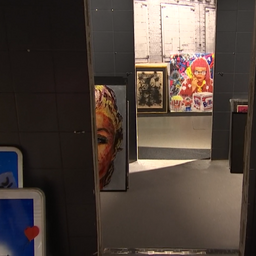
06.10.26 NEWS ... The "Buy Young Art" fall exhibition has opened at Tallinn's Art & Tonic gallery where visitors can see works by 88 young Estonian artists free of charge. The exhibition will conclude with an art auction on October 23.
06.10.26 NEWS ... Urmas Viik's latest exhibition, "Personal Mythology," brings tribal foxes, fantastical flowers and novel visual connections in a changing format to Viljandi's Rüki Gallery.
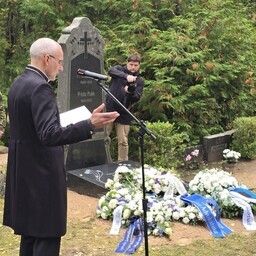
05.10.26 NEWS ... Estonian statesman Otto Pukk has been laid to rest on his home island of Saaremaa, 126 years after his birth there and 75 years after his death.
05.10.26 NEWS ... Old hand-scribbled "___ was here" tags are giving way to social media content, prompting Estonian museums to adapt how they present art for Instagram and TikTok audiences.
04.10.26 NEWS ... During a review of manor heritage in Jõgeva County, the National Heritage Board recommended removing one-third of the area's architectural monuments from state protection.
03.10.26 NEWS ... Actor and director Elmo Nüganen, who in recent years has been closely involved with Südalinna Teater (formerly the Russian Theater in Tallinn), says he understands those who do not wish to consume Russian‑language culture — but avoiding Russian‑language culture will not destroy what Russia as a state is.
03.10.26 NEWS ... A program modeled on the U.S. television show "To Catch a Predator" could not be produced in Estonia, investigative journalist Mihkel Kärmas says, because it would not fit the country's legal or ethical environment.
03.10.26 NEWS ... Publishers Krista Kaer and Piret Lemetti warn that AI-assisted re-translations of literary classics appearing on the market are unethical, unfair to readers, and devalue the work of human translators.
03.10.26 NEWS ... When the rain pours through the roof of Tallinn's long-shuttered Linnahall, Leo Lõoke starts his morning emptying buckets.
30.09.26 NEWS ... The 11th international folklore festival Tartu Folk will take place in Tartu, bringing together folklore communities from Estonia and from the Baltic and Nordic countries.
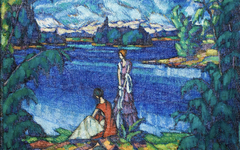
30.09.26 NEWS ... An exhibition in London of Estonian artist Konrad Mägi's work exceeded all expectations, the gallery's director said.
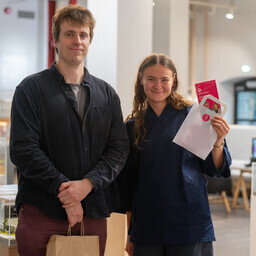
30.09.26 NEWS ... The Estonian Museum Association announced the winners of the 2026 EMMA Estonian Museum Souvenir Awards at the Estonian National Museum on September 28.
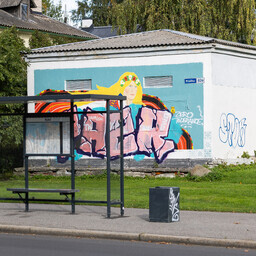
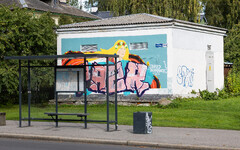
30.09.26 NEWS ... While Tallinn is utilizing city-commissioned murals to reduce graffiti, street artists have responded by painting over them. The university town of Tartu takes a more conciliatory approach.
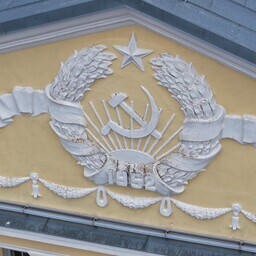
29.09.26 NEWS ... Justice Minister Liisa-Ly Pakosta (Eesti 200) has proposed allowing buildings bearing occupation symbols erected between 1940 and 1991 to be removed from state heritage protection.
29.09.26 NEWS ... Publishing house Tänapäev's editor-in-chief told ERR that original manuscripts written with AI remain rare, but the technology has already made its way into translation and illustration.
29.09.26 NEWS ... For nearly a decade, Estonian schools have been using the Time Travel method to bring history to life.
29.09.26 NEWS ... ERR and private media outlets in Estonia have called for a reversal of the ban on foreign-language dubbing.
28.09.26 NEWS ... University of Tartu doctoral student Merilin Jürjo studied what happens in our minds during a theater performance and why some productions resonate with us while others do not.
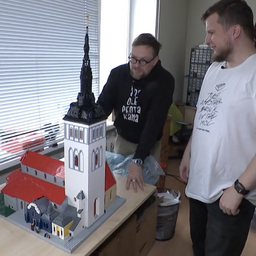
27.09.26 NEWS ... Enthusiast Nikolai Mordan's recent interest has been building Lego versions of well‑known Tallinn buildings.
27.09.26 NEWS ... Philologist Mart Meri says the themes of "Silverwhite" stayed with his father, Lennart Meri, until the end of his life, surfacing even in his presidential speeches.
27.09.26 NEWS ... Tattoo artist and researcher of Estonian tattoo culture Oskar Poll told ETV that while tattoos during the Soviet era often featured maritime motifs and women, the range of subjects has since expanded considerably.
27.09.26 NEWS ... Pärnu street artist Kristjan Tamm, known as Kryptik, says young artists today have more legal chances to learn street art than when he first started more than 20 years ago.
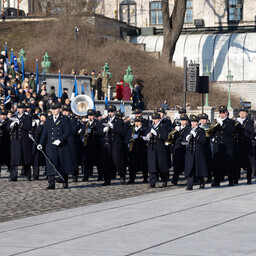
26.09.26 NEWS ... The Estonian Military Orchestra will celebrate the 108th anniversary of Estonian military music and the fifth anniversary of operating within the Estonian War Museum with birthday concerts on 7 October at Viljandi Pauluse Church and on 8 October at the Estonia Concert Hall in Tallinn.
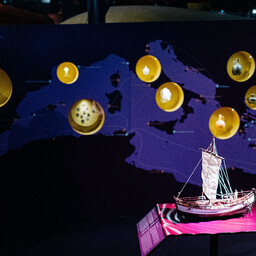
26.09.26 NEWS ... 50 years after its publication, the Estonian Maritime Museum has brought Lennart Meri's epic "Silverwhite" journey to life with a new exhibition at Tallinn Seaplane Harbor.
26.09.26 NEWS ... Two of Estonian choreographer Jevgeni Grib's ballets will share the stage for the first time Saturday as Vanemuine Theater pairs "Keep a Light in the Window" with "Tango."
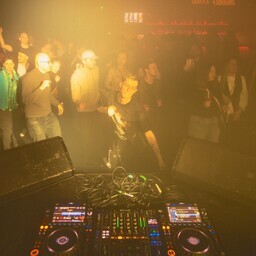
25.09.26 NEWS ... The international night culture conference "Dance Floor of Democracy" will take place at Tallinn's HALL club October 9, bringing together European night culture leaders, city officials, researchers and artists.
25.09.26 NEWS ... This Friday, Estonian DJ and producer NOËP and Raadio 2 join 11 other radio stations in Europe's Biggest Dance Show, a six-hour dance music marathon airing live across Europe.
25.09.26 NEWS ... A Japanese ballet repetiteur and a Turkish tech businessman once came to Estonia for very different reasons, but both have since found reasons to stay.
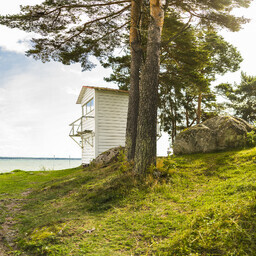
25.09.26 NEWS ... The historic Käsmu Lighthouse and a former border guard station are being taken over by the Estonian Maritime Museum (EMM) following a government-approved property transfer.
24.09.26 NEWS ... On December 5, Ukrainian world music quartet DakhaBrakha returns to Tallinn, bringing its signature "ethno-chaos" sound and latest album, "Ptakh," to Paavli Culture Factory.
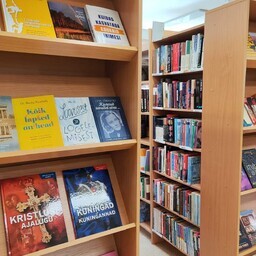
24.09.26 NEWS ... Estonian municipalities want to get kids reading more. One option may be for school and public libraries to team up more, making it easier for children to access books.
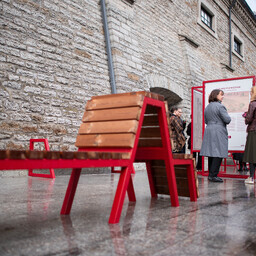
24.09.26 NEWS ... The Estonian Museum of Architecture on Wednesday opened its renewed outdoor area with the landscape‑architecture exhibition "Not set in stone: Glimpses of Estonian Landscape Architecture."
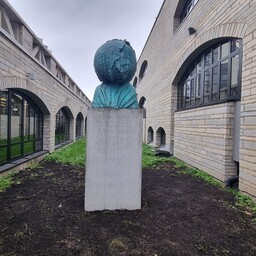
24.09.26 NEWS ... On 23 September, the portrait bust "Monument to Books Worn to Shreds" was brought directly from the foundry to the inner courtyard of the Estonian National Library. The work was placed on a concrete pedestal and will await final finishing before its opening later this year.
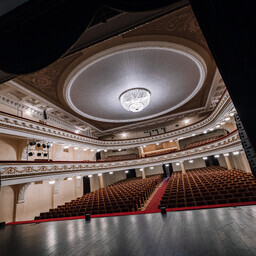
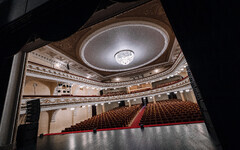
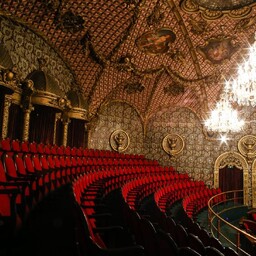
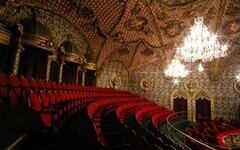
23.09.26 NEWS ... Gloria Palace opened in Tallinn in 1926 as a luxury movie theater promising an unprecedented experience. It survived the March 1944 bombing and remains largely intact.
23.09.26 NEWS ... Estonian Academy of Arts professor and architectural historian Mart Kalm told ERR that the era of building triumphal arches is over and that the U.S. president's desire to build one offers a glimpse into his aspirations.
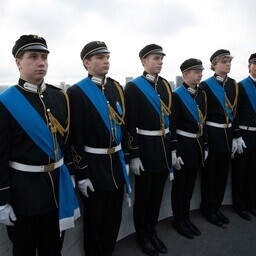
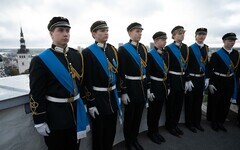
23.09.26 NEWS ... Students from Tallinn School No. XXI raised the Estonian flag on Pikk Hermann tower to mark Resistance Day on Tuesday.
22.09.26 NEWS ... Estonia will be represented at the 2027 Venice Architecture Biennale by the project "Pereprojekteerimine" ("Family Design"), created by Andreas Krigoltoi, Xenia A. Sooniste, Jõnn Sooniste and Julia Freudenberg.
22.09.26 NEWS ... This year's Tallinn Fringe Festival (TFF) closed Friday, with its 10th anniversary edition drawing record numbers of venues, nationalities, artists and ticket sales.
22.09.26 NEWS ... Pantokraator has released a new album, "William Shakespeare's Sonnets," whose roots go back to 1984–1989, though shaping it into its current form took the band the past eleven years.
22.09.26 NEWS ... British boy band legends Take That are to appear in Estonia next summer as part of their "Dreamers" European tour, the group's first appearance here in over a decade.